Showing posts with label knee replacement in Dwarka. Show all posts

Wednesday, 3 March 2021

What is a knee replacement? All the information you need before the operation


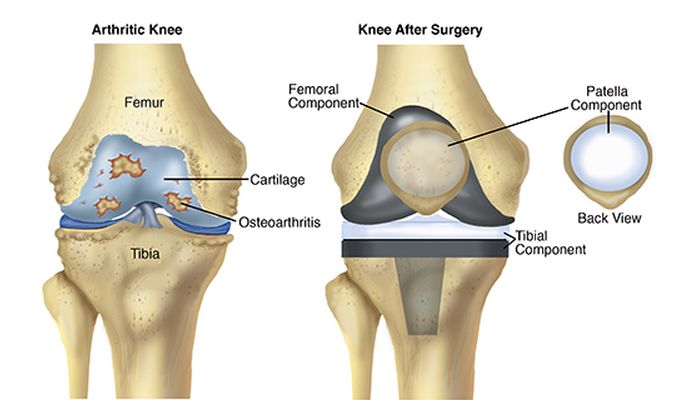
Many times, the solution to a knee injury is through a surgical intervention and the placement of an implant. Next, we explain all the information you should know before the knee replacement surgery in Delhi.

What is a knee replacement?

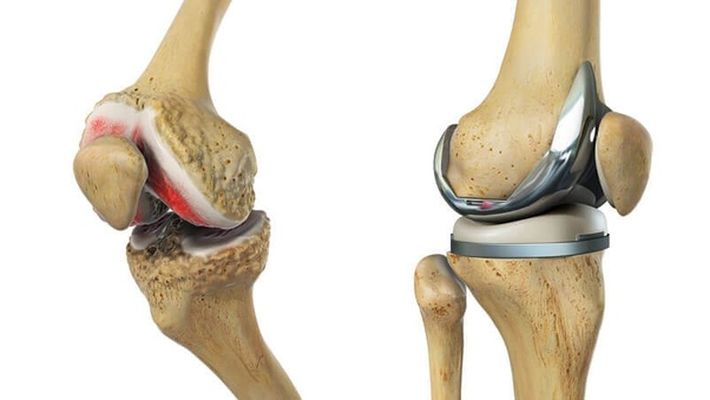
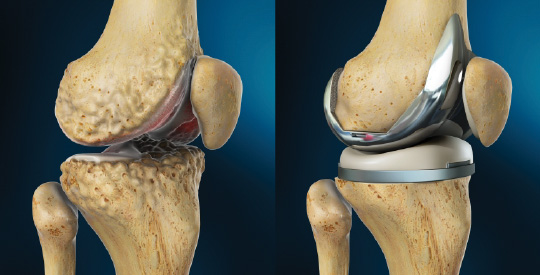
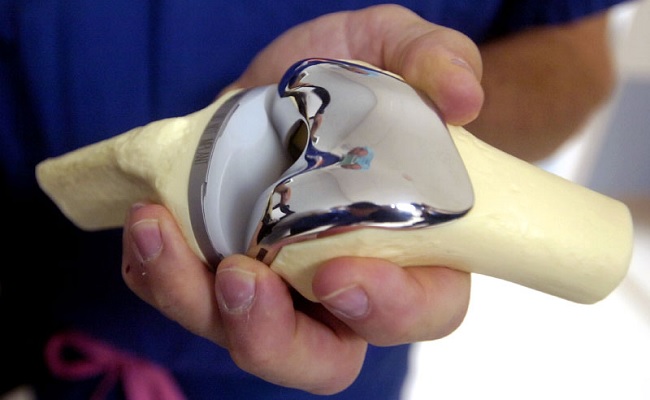
A knee prosthesis is an implant that is placed to replace the damaged joint in order to perform its function and allow the patient to regain mobility in the affected area.

The artificial knee is designed to comply with all the characteristics of the native knee, it only differs in that it lacks sensitivity, therefore, the pain caused by joint wear does not exist, explains the orthopaedic in Delhi.

Types of knee replacement

Depending on the severity of the injuries that the patient presents, the orthopaedic doctor in Delhi assesses which type of prosthesis is the most appropriate.

There are two main types of prostheses: on the one hand, the unicompartmental prosthesis, in this case only the damaged areas of the joint are replaced, however, in cases of osteoarthritis, it does not prevent the disease from spreading through the joint.

Second, there are total knee replacements. These are more common and are characterized by the total replacement of the joint.

How is the knee replacement operation?

In the knee replacement surgery in Delhi, the patella is removed, and the distal ends of the femur and tibia are cut to fit the prosthesis to the joint space. Afterwards, the two components of the prosthesis are fixed to the bone, through a foundation technique. Finally, the muscles and tendons of the damaged joint are repaired, and the incision is closed.

The operation usually lasts between an hour and a half and two hours. An incision of about 20 centimeters is made, which reduces the patient’s bleeding and improves healing. The anesthesia used is usually spinal, that is, from the waist down, although in cases of osteoarthritis or coagulation problems, general anesthesia is applied, explains the orthopaedic surgeon in Delhi.

When to put a knee replacement?

Usually, the knee replacement in Delhi is implanted when the patient has tried other treatments and they have not been successful.

The most common cause for needing a prosthesis is osteoarthritis, since joint wear and tear causes pain that, in many cases, can be relieved with a prosthesis.

Also, a prosthesis may be needed when one after a bone break, the joint has not re-established properly. In cases of bone tumors, a knee replacement can also be used to replace the damaged bone.

How long does a knee replacement last?

Knee prostheses do not have an exact duration in time. They suffer slight wear over time, this is due to a reason: when a prosthesis is implanted, a sliding material must be included, on which friction is made during the movement of the joint. The material used is polyethylene which, thanks to its properties, mimics cartilage.

Polyethylene suffers wear, since it releases particles, which are absorbed by the defensive cells of the human body. These cells grow and, in some cases, attack the bone, causing a “particle disease”, that is, the loosening of the prosthesis.

In recent years, the quality of the materials has improved significantly, with which, we could say that knee prostheses could last up to 30 years.

Benefits of a knee replacement

The most common is that before undergoing a knee replacement in Delhi, the patient has undergone other treatments without obtaining results.

After the application of the prosthesis, the pain usually disappears in its entirety, or becomes a mild discomfort. Depending on the condition that occurs before the operation, the patient usually regain mobility significantly, and therefore improves their quality of life, since they can return to their day-to-day activities without experiencing pain.

How is the recovery after a knee replacement operation?

Recovery after the knee replacement surgery in Delhi usually requires a hospital stay of between three and five days. The patient begins to walk two days after the operation, helped by crutches and the distances are increasing.

Depending on the stiffness of the joint and the patient’s previous condition, the duration may be more or less long. In the case of knee prostheses, rehabilitation is of great importance, which begins a few days after the operation, with the use of machines that make it possible to increase the degrees of flexion and extension of the knee, progressively.

Complications after the implantation of a knee prosthesis

After the knee replacement in Dwarka, only 2% of patients present complications, the most common being related to the appearance of infections that, in some cases, require surgical treatment.

In addition, there are other factors that are directly related to the prosthesis: the loosening of the prosthesis, which can cause pain and, in some cases, a replacement of the prosthesis may be necessary.

As explained above, the prosthesis develops a slight wear over time. In some cases, it can lead to loosening of the prosthesis. A breakage of the prosthesis can also occur, although in very isolated cases.

Some patients may experience an injury to the nerves near the joint, in cases in which the deformity that is corrected is significant, but is not common, says the orthopaedic in Delhi.

Knee replacement infection

As mentioned, the most common complications are usually the appearance of infections. These usually appear in people with obesity or diabetes.

Prosthetic infection occurs when bacteria reach the surface of the knee replacement. If the patient’s immune system is not able to eliminate it, the bacteria can create a “biofilm”, that is, a protective environment that protects them from the immune system and antibiotics. Depending on the aggressiveness of the microorganisms, the infection will be more or less serious.

The most common types of prosthetic knee infection are:

  • Acute infection: it is caused by aggressive bacterial contamination in the operating room, and usually occurs within four weeks after the intervention.
  • Chronic infection: in this case, the infection, too, is contracted in the operating room, but it can manifest itself from the fifth week after the operation to one or two years later.
  • Hematogenous infection: the infection is carried, through the blood, from another part of the human body to the knee replacement.
  • Positive intraoperative cultures: detected when removing the prosthesis due to loosening.

When a knee prosthesis infection appears, it is usually approached with antibiotic treatment, but it is usual, that a surgical intervention is necessary, in which the infection is cleaned, and the infection is approached from within. In some cases, a replacement of the prosthesis is necessary, says the orthopaedic surgeon in Delhi.

Replacement of knee replacement

In some cases, replacement surgery for a knee replacement is necessary. Typically, this decision is made in the face of ongoing and limiting pain.

First, an X-ray of the patient is performed and, in case of observing the presence of radiolucencies, that is, lack of contact between the bone and the prosthesis, the intervention is carried out. In these cases, if the prosthesis is not changed, there may be a risk of a periprosthetic fracture, that is, a break in the bone that supports the prosthesis. Another cause is the appearance of an infection.

Normally, prosthesis replacement surgeries are performed using the anterior approach technique, in which the scar from the previous operation is intervened, explains the orthopaedic in Janakpuri.

Tips for caring for a knee replacement

Once the knee replacement surgery in Delhi has been carried out, it is important to take certain aspects into account, to keep the knee replacement in good condition.

In the first place, it is important to care for the wound after the operation, it must heal in the way the specialist indicates.

When you return to your normal routine, it is important to avoid impact sports, as they put pressure on the prosthesis and can cause overloading of the joint. Body weight should be controlled, as the greater the weight, the more pressure will be placed on the knee joint. Also, sudden movements with the intervened knee should be limited, it is advisable to avoid movements and positions that involve forced positions for the joint, suggests the orthopaedic in Delhi.

Throughout the post, it has been possible to observe how a knee prosthesis can be the solution to the existence of chronic pain or advanced osteoarthritis. It is important to follow certain guidelines after a knee replacement in Delhi to ensure a good recovery and a longer duration in time.

Thursday, 26 March 2020

Total Knee Arthroplasty

Total-Knee-Arthroplasty

What is:
  • Arthroplasty / total knee replacement in Delhi is a surgical intervention in which the worn-out joint surfaces of the femur, tibia and often the kneecap are replaced, as they are a source of disabling pain. Metallic and high-density polyethylene components are placed in place of damaged and painful joint surfaces.

Surgery objectives:
  • The main objective of placing a total knee prosthesis is to treat the pain caused by arthrosis and, at the same time, to improve joint mobility, increase its functional capacity and return quality of life. In some cases, arthrosis results from a misalignment of the knee in varus or valgus (knees arched or knees together, respectively), and then there is a second objective for knee replacement in Dwarka, which is the correction of this anatomical deformity.
  • The joint mobility to be achieved after the surgery will be between 100 to 130 degrees of flexion and the full extension. However, the main factor that determines the postoperative amplitude is the amplitude before surgery, so a knee with reduced mobility will have more difficulty in reaching the intended amplitude.

Indications:
  • All patients with an indication for total arthroplasty are frankly limited to activities of daily living, suffering from an intense and disabling painful condition, resistant to medical and physiatric therapy and without any other surgical option. The age factor should be evaluated according to the currently available statistical data, which shows that the survival of total knee replacement in Delhi is 90% at 10 and 80% at 20 years old (defined by the prostheses still functioning) respectively. However, the placement of knee prostheses can be proposed at younger ages, in particular clinical situations that have no other medical or surgical alternative, which will return the patient's quality of life. The majority of patients are in the age group above 60 years, with the upper limit today dependent on general clinical condition, with many cases operated after age 80. The surgical risk will always be assessed in the Preoperative Anesthesiology Consultation. Another important factor, regardless of age, is the motivation of the patient and his family, in the face of disability and suffering caused by arthrosis, after an open discussion of the risks and benefits, especially if there are no serious pathologies, which may condition the patient's longevity.
  • The patient with an indication for this surgery has more frequently developed osteoarthritis of idiopathic etiology (a cause is not identified), mechanical due to axis deviation or post-traumatic, due to sequelae of joint fractures.
  • Rheumatic diseases, especially rheumatoid arthritis, represent the second most important group of pathologies, due to their joint involvement.
  • Excessive body weight is not a contraindication, as long as the patient has a general condition compatible with the surgery. The long-term results are slightly lower, as far as surgery is concerned, however, it must be considered that obesity associated with limited mobility is itself a vicious cycle, both due to the medical pathologies that it originates and due to the greater body weight gain.
  • The longevity of the prosthesis mentioned above, motivates us to try whenever possible a more conservative surgical approach in younger patients, defined by age groups below 60 years of age. This approach consists of arthroscopic gestures, osteotomies for axis correction (“straightening crooked legs”) or even physiotherapy associated with medication and infiltrations in the context of regenerative medicine.

Complications / Risks:
  • Performing an arthroplasty implies risks that must be known to the patient. Possible postoperative complications include thromboembolism, which motivates mandatory pharmacological prevention, skin complications, and neurovascular injuries. The infection, often referred to as rejection, has an incidence of less than 1%, but may require new surgery to wash and replace the prosthesis.
  • The failure of arthroplasty may be due to aseptic detachment (loose components in the absence of infection, due to sensitivity to polyethylene wear) and premature wear of the material. In these cases, it also involves performing a new surgery for its revision/replacement, states orthopaedic in Dwarka.

Surgical technique:
  • The surgical technique we use today is called minimally invasive. It consists in the use of smaller skin incisions, but above all in a lesser aggression of the surrounding soft parts (muscles, synovial membrane, ligaments, vessels, and nerves), explains the orthopaedic in Delhi.
  • This approach allows for a less painful postoperative period, less blood loss, less risk of infection and a faster and less painful recovery. Most patients are able, after an initial period with support and load of the operated lower limb, with 2 crutches, to resume a gait without assistants for 1 to 2 months, depending on the condition of the contralateral knee.
  • In performing this surgery, general or loco-regional anesthesia can be used, depending on the patient's and anesthetist's decision, during the Anesthesiology Consultation.
  • The rehabilitation program starts during hospitalization, about 48 hours after surgery, leaving the patient to walk with the help of 2 crutches and able to go up and downstairs.

Postoperative Care:
  • The placement of a knee arthroplasty implies limitations for the practice of sports and should avoid activities with impact. However, walking, golf, gym, swimming, dancing, and cycling are allowed. Patients should promote the longevity of their prosthesis, avoiding overweight, intense physical efforts with impact (running), transporting heavy loads and hyperflexion postures.
  • Any infection that occurs, anywhere in the body, must be treated early and effectively, due to the risk of bacteremia (bacteria circulating in the bloodstream) that can contaminate the knee prosthesis from a distance. For the same reason, antibiotic prevention should also be systematically applied to all dental or endoscopic manipulations, using your attending physician whenever necessary, suggests the orthopaedic in Delhi.

Saturday, 7 March 2020

Knee Replacement Surgery

Knee-Prosthesis

The purpose of knee replacement in Delhi is to replace the knee, or the part of the knee with a prosthesis, which is damaged by osteoarthritis. In some cases, it is an implant that will replace the articular surfaces (cartilage) of the tibia, the femur and the patella.

Who is it for?

In general, since implanting a prosthesis is a definitive surgical act, it can be suggested by the orthopaedic in Delhi when the patient's pain cannot be calmed with any other medical or surgical therapeutic method that is normally used in case of osteoarthritis.

Generally, this operation is performed in patients over 65 years of age, in which osteoarthritis affects two or more internal, external and anterior knee compartments. But some young patients may be the subject of an exception, each case is different, and only the doctor can judge the need and benefit of such a surgery.

The surgery

The knee replacement in Delhi is an important surgery. It requires a preparation that includes a complete clinical and radiological balance. If possible, it must be done in an establishment specializing in prosthetic surgery. Normally, the duration of hospitalization exceeds one week. This operation requires general or epidural anaesthesia.

In general, this decision will depend on your general condition and the type of operation that requires the implantation of your prosthesis. The duration of the operation can vary between 50 minutes and 2 hours. Generally, after the operation, it is convenient to stay between 15 and 30 days in a re-education centre, explains the best knee surgeon in Delhi.

The days after the operation and the re-education

You can start slowly walking towards the fourth day, with some crutches that are necessary at the beginning, and then can be abandoned (usually, after a month and a half). The re-education advisable or even essential. The help of the physiotherapist and the surgeon will allow to recover the amplitude of the movements and facilitates the resumption of the march. Normally, the operated person can return to work after 2 and a half months or 3 months.

However, after a surgery of this magnitude, the patient should periodically visit his family doctor (or General practitioners, Rheumatologists, Orthopedists, Traumatologists, Internists, Physiatrists, Rehabilitation Medicine). For this, the consultations to the orthopaedic surgeon in Delhi must also be regular: between 2 and 3 months after the surgery, another after 6 months and another one year later. Next, an annual check is recommended.

The results

Pain and mobility

The knee replacement in Dwarka is often effective in alleviating pain. It suppresses between 80 and 95% of the pain of osteoarthritis. The improvement of mobility depends on the type of prosthesis used, but also on the condition of the patient before the operation. However, generally, there is clear progress.

The scar

Normally, the scar is located on the vertical axis of the leg, in front of the kneecap.

The type of prosthesis

There are different types of prostheses that differ depending on:
  • The part of the knee replaced: partial or complete prosthesis (tri-compartmental prostheses)
  • The mode of fixation on the knee joint
  • The knee stabilization medium used
  • The mobility of the prosthesis components: fixed or mobile plateau.

Tri-compartmental prostheses

This type of prosthesis is the most frequent. They can be used in most osteoarthritis, even those that affect a single compartment of the knee. In addition, there are several models and they are used according to the state of deformation of the knee and allow the preservation or not of the cruciate ligaments. The choice of one of these prostheses depends on the state of your knee. Since each case is different, your orthopaedic in west Delhi is the best person to guide you in choosing a model. Tri-compartmental prosthetic models vary depending on 3 factors:
  • Knee fixation mode: with cement or without cement
  • The stabilization system: The different models allow the two crossed ligaments to be well preserved, one or none.
  • The mobility of the fixed or mobile plateau.

The patellofemoral prosthesis

Osteoarthritis of the joint between the patella and the femur. This type of prosthesis is used exceptionally.

Partial or single compartment prostheses

Generally, this type of prosthesis allows an improvement in the mobility of the knee and hip. In addition to an almost complete disappearance of pain. Unlike the other two types of prostheses, these allow only the worn part of the joint to be replaced. However, this type of prosthesis is only used when only one of the knee compartments is affected: the internal, external femoro-tibial compartment or, exceptionally, the joint between the patella and the femur.

In addition, its implantation can only be advised in a patient whose knee deformation is unimportant and has normal cruciate ligaments. Your orthopaedic in Delhi is the best counsellor to explain whether you can benefit from this type of prosthesis.

Wednesday, 17 April 2019

What is total knee replacement?

total_knee_replacement

The knee replacement surgery (arthroscopy in Delhi) or total knee prosthesis is an operation consisting of the replacement of a damaged, worn or diseased knee with an artificial joint (prosthesis).

Adults of any age can be considered for a knee replacement in Delhi, although most are performed on people between the ages of 60 and 80.

A knee replacement usually lasts more than 20 years, especially if the new knee is used correctly and is not subjected to too much stress.

Causes of total knee replacement

The most common cause of chronic knee pain and disability is arthritis.
Although there are many types of arthritis, most knee pain is caused by only three types:
  • Osteoarthritis
  • Rheumatoid arthritis
  • Post-traumatic arthritis
Osteoarthritis

It usually occurs in people 50 years of age and older, but it can occur in younger people.

The cartilage that cushions the bones of the knee softens and wears out.

The bones rub against each other, causing pain and stiffness of the knee.

Rheumatoid arthritis

This is a disease in which the synovial membrane that surrounds the joint becomes inflamed and swollen.

This chronic inflammation can damage the cartilage and eventually cause the loss of cartilage, causing pain and stiffness.

Rheumatoid arthritis is the most common form of a group of disorders called "inflammatory arthritis."

Post-traumatic arthritis

This type of knee arthritis can result from a serious knee injury.

Fractures of the bones that surround the knee or ruptures of the knee ligaments can damage the articular cartilage over time, causing pain in the knee and limiting the functioning of the knee.

Complications of total knee replacement

As with any surgery, joint replacement surgery in Delhi carries risks and complications may occur
For knee replacement surgery, these risks are low. Possible complications include:

Infection

The infection may occur at the site of the wound or around the prosthesis. It can happen while you are in the hospital or after you go home. They can even occur several years after the surgery.

Minor infections in the wound area are usually treated with antibiotics.

Major or deep infections may require another surgery to remove the prosthesis.

Any infection in your body can spread to the area of ​​the joint that has been replaced.

Blood clots

Blood clots in the veins of the legs are one of the most common complications of knee replacement in Dwarka. These clots can be life-threatening if they break down and travel to the lungs.

Preventive measures may include:
  • Periodic elevation of the legs
  • Exercises to increase circulation in the leg
  • Support stockings
  • Medications to thin the blood.
Problems with the implant

Although implant designs and materials, as well as surgical techniques, continue to advance, the surfaces of the implant may wear out and the components may loosen.

Movement of the knee may be more limited, particularly in patients with limited mobility before surgery.

The risk of failure of the prosthesis is greater if the joint is endeavored with activities of high impact or excessive weight.

Continuous pain

A small number of patients continue to have pain after a knee replacement in West Delhi. This complication is uncommon, since the vast majority of patients experience pain relief after knee replacement.

Injury of the nerves and blood vessels

Although uncommon, injuries to nerves or blood vessels around the knee can occur during surgery.

Other complications:
  • Allergic reaction to anesthesia
  • Temporary or permanent numbness around the wound site
  • The amputation of the leg due to a serious wound infection of the surgery.
  • Paralysis of the foot due to nerve damage
  • Lack of blood supply to the leg due to damage to the blood vessels (which can lead to amputation).
Signs of infection

Although the risk of infection is low, notify your orthopaedic in Delhi immediately if you notice:
  • Fever higher than 37.8 C
  • Shaking chills
  • Secretions in the area of ​​surgery
  • Increased redness, swelling and pain in the knee
  • An infected knee replacement usually requires surgery to remove artificial parts and antibiotics to kill the bacteria.
After the infection is controlled, another surgery must be done to install a new knee.

The chances of a good or excellent result that reduces pain and improves knee function tend to decrease with each additional surgery

How is a total knee prosthesis placed?

With the patient under anesthesia, the orthopaedic surgeon in Delhi replaces the damaged joint with an artificial prosthesis.

In the knee, the bony ends of the femur and the tibia are replaced by prosthetic components that articulate with each other and with the kneecap, which in most cases is also replaced.

A prosthesis can be implanted in other joints although the most common surgeries are those of the knee and hip.

The materials used in total prostheses are designed to allow mobility similar to that of the normal joint.

The components of the prosthesis are usually composed of a metal element that fits exactly in a plastic.

Various metals are used: stainless steel, cobalt alloys, chromium and titanium.

The plastic is an extremely durable and wear-resistant polyethylene.

A type of cement is usually used to fix the components to the bone, although there are also uncemented prostheses, which are anchored directly to the bone.

Types of knee replacement surgery

There are two main types of surgery, depending on the condition of the knee:

Total knee replacement - both sides of the knee joint are replaced

Partial knee replacement - only one side of the joint is replaced in a smaller operation with a shorter hospital stay and recovery period.

How long does a knee replacement last?

Improvements in surgical techniques, technology and materials have made knee replacement surgery one of the most successful procedures done by orthopaedic in Dwarka.

Most people experience less pain, increased movement and a better quality of life.

However, implants do not last forever. It is expected that implants should work for a minimum of 15 to 20 years in 85-90% of patients.

Over time, the wear loosens the implants and these can cause pain, have loose particles, cause infection and instability.

Once this happens, orthopaedic in West Delhi recommend undergoing revision knee surgery.

Recovery from knee replacement surgery

Usually, you will be in the hospital for three to five days, but the recovery time may vary depending on the person and the type of surgery that is performed.

Once you are able to be discharged, your hospital will give you advice about taking care of your knee at home.

You will have to use a walking frame or crutches at first and a physiotherapist in Dwarka will teach you exercises to help strengthen your knee.

Most people can stop using help to walk around six weeks after surgery and start driving after approximately eight to 12 weeks.

Full recovery can take up to two years.

A very small amount of people will continue to experience some pain after two years.

Tuesday, 30 October 2018

Bring Back Your Mobility With Knee Replacement in Delhi

Who is idle for knee replacement?
Total knee replacement in Delhi is considered for patients whose knee joints have been harmed by either arthritis, injury, or other uncommon damaging disease of the joint. The most well-known purpose behind knee replacement in South Delhi is serious osteoarthritis of the knees.
Notwithstanding the reason for the harm to the joint, the subsequent dynamically expanding agony and firmness and diminishing every day work lead the patient to consider add up to knee replacement in Dwarka. Choices in regards to whether or when to experience knee replacement surgeries are difficult. Patients ought to comprehend the dangers and in addition the advantages previously settling on these choices.

What is knee replacement?
A total knee replacement in Delhi is a surgery whereby the unhealthy knee joint is supplanted with counterfeit material. The knee is a pivot joint which gives movement at the point where the thigh meets the lower leg. The thighbone (or femur) adjoins the huge bone of the lower leg (tibia) at the knee joint. Amid a knee replacement, the end of the femur bone is expelled and supplanted with a metal shell. The end of the lower leg bone (tibia) is likewise expelled and supplanted with a directed plastic piece with a metal stem. Contingent upon the state of the kneecap segment of the knee joint, a plastic "catch" may likewise be included under the kneecap surface. The fake segments of a total knee replacement are alluded to as the prosthesis.
The back cruciate tendon is a tissue that typically balances out each side of the knee joint with the goal that the lower leg can't slide in reverse in connection to the thighbone. In complete knee replacement procedure, this tendon is either held, relinquished, or substituted by a polyethylene post. Every one of these different structures of total knee replacement has its own specific advantages and dangers.
After Surgery Care
A total knee replacement for the most part requires among one and a half to three hours of surgery time. After surgical procedure, patients are taken to a recuperation room, where essential organs are much of the time checked. Whenever stabilized, patients are come back to their hospital room.
Entry of pee can be troublesome in the quick postoperative period, and this condition can be bothered by torment prescriptions. A catheter embedded into the urethra (a Foley catheter) permits free section of pee until the point when the patient turns out to be more portable.
Physical therapy is a critical piece of recovery and requires full support by the patient for ideal result. Patients can start physical therapy 48 hours after the procedure. Some level of torment, uneasiness, and firmness can be normal amid the beginning of active recuperation. Knee immobilizers are utilized with the end goal to balance out the knee while experiencing physical therapy, strolling, and resting. They might be expelled under the direction of the physiotherapist in Dwarka for different parts of physical therapy.
An extraordinary gadget that can help speed recuperation is the constant passive movement (CPM) machine. The CPM machine is first connected to the worked leg. The machine at that point always moves the knee through different degrees of scope of movement for quite a long time while the patient unwinds. This can enhance course and limit the danger of scarring and contracture of the tissues around the knee.
Patients will begin strolling utilizing a walker and bolsters. In the end, patients will figure out how to stroll here and there stairs and grades. Various home activities are given to fortify thigh and lower leg muscles.
When you are home, it is critical to keep the careful region perfect and dry. Your physiotherapy doctor in Dwarka will give you particular showering guidelines. The lines or careful staples will be expelled amid a subsequent office visit.
To help lessen swelling, you might be requested to hoist your leg or apply ice to the knee.
Take pain reliever for soreness as prescribed by your specialist. Ibuprofen or certain other pain drugs may build the possibility of bleeding. Make sure to take just prescribed prescriptions.
Tell your orthopaedic in Dwarka, Delhi to report any of the accompanying:
·         Fever
·         Redness, swelling, bleeding, or other waste from the entry point site
·         Expanded torment around the surgical point site
You may continue your ordinary eating regimen except if your orthopaedic in Delhi exhorts you in different way.
You ought not drive until the point when your orthopaedic in South Delhi instructs you to. Other action confinements may apply. Full recuperation from the medical procedure may take a while.
It is vital that you stay away from falls after your knee substitution medical procedure, in light of the fact that a fall can result in harm to the new joint. Your therapist may prescribe an assistive gadget (stick or walker) to enable you to stroll until the point when your quality and parity move forward.
Making certain alterations to your home may help you amid your recuperation. These changes incorporate, yet are not constrained to, the accompanying:
·         Legitimate handrails along all stairs
·         Security handrails in the shower or shower
·         Shower bench or seat
·         Raised toilet seat
·         Since quite a while ago took care of wipe and shower hose
·         Dressing stick
·         Sock help
·         Since quite a while ago dealt with shoe horn
·         Reaching stick to snatch objects
·         Evacuating free covers and electrical lines that may make you trip
·         Keeping away from stair-moving until suggested by your best orthopaedic in Dwarka
Your best knee surgeon in Delhi may give you extra or exchange directions after the system, contingent upon your specific circumstance.

10 Common Orthopedic Problems and Their Warning Signs

Our bones, joints, muscles, and ligaments support almost everything we do, from walking and climbing stairs to exercising and simply getting...