Showing posts with label hip replacement surgery in Delhi. Show all posts

Saturday, 30 April 2022

10 Common Signs and Symptoms of Hip Wear


Hip wear (hip arthrosis) is a very frequent and limiting problem. It is the aging of articular cartilage that is responsible for free joint movement and pain-free. When the cartilage is worn out, the hip joint can no longer move freely and bear load, causing pain and movement restriction.

About 10% of the population over 45 years has hip wear with painful symptoms and almost 30% of the population has changes in hip wear on imaging tests such as radiography or MRI, says the orthopaedic in Delhi.

Common Symptoms

If you have a suspected hip wear, these are 10 most common Signs and Symptoms, which may indicate an evaluation with the hip surgery specialist. 

1. Pain in the groin area.

Pain in the groin region, or anterior region of the hip is perhaps the most common feature of the hip that is worn. This occurs by the characteristic of innervation of the joint that occurs by the same nerve roots that inners the groin region and anterior face of the thigh.

Pain in the groin area can occur because of other diseases, but it is very characteristic of the hip that has its cartilage worn out, states the orthopaedic in Delhi.

2. Stiffness of the hip joint. Loss of mobility.

One of the signs that a joint is worn is the loss of its function, which is precisely the ability to move the joint without pain.

When a joint is worn out, it ignites, and movement begins to cause pain. The result of this is that the patient himself begins to move the joint less as a way to protect himself from pain.

Thus, soft tissue structures such as capsule, muscles and tendons are retracted further reducing joint mobility, explains the orthopaedic doctor in Delhi.

3. Pain for lifting from low chairs or toilet.

Another striking feature of patients with hip arthrosis is the difficulty of getting up from low chairs and from the toilet.

This occurs because at the time of elevation, there is a sudden increase in load and pressure in the hip joint, which if worn out, will lead to a worsening of the pain, says the orthopaedic doctor in Delhi.

4. Claud gait, or “limp” gait.

The perfect functioning of the hip joint is essential for a balanced and pain-safe gait. When the hip is worn out, movement and change of loads on damaged cartilage can cause pain.

An immediate reflex is the decrease in the range of motion of the joint during gait and shortening of the pitch during the gait step on the worn hip.

All this gait movement in order to reduce the pain, ends up causing the “limp gait” or clauaudicante gait, explains the orthopaedic in Dwarka.

5. Pain to crouch and put on the shoes.

As much as it sounds like a simple activity, putting on simple shoes gets harder and harder for those who have hip arthrosis.

This occurs because the movement of putting on the shoes implies a large flexion of the hip and increased load on the joint, even if the patient is still.

A good alternative for patients who have hip arthrosis and pain to put on shoes, is to replace shoes with shoelaces with sneakers or shoes of the type “moccasin” that do not need to be tied, suggests the orthopaedic in Dwarka

6. Pain to go up and down stairs and to get in and out of the car.

This complaint is very common in patients with advanced hip arthrosis. With the progression of wear, pain is worse in activities with hip flexion with load and rotational movements, says the orthopaedic doctor in Dwarka.

Everyday activities such as going up and down stairs and getting in and out of the car get more difficult, requiring the support of the hands and the other member to be executed.

7. Feeling of locking, clicking, or crackling of the hip.

In many cases of hip wear, there may be detachments of cartilage fragments and inflammatory process in the joint (synovite).

These factors cause noises called clicking, or the famous “crek crek”, explains the orthopaedic doctor in Dwarka.

8. Decreased ability to walk and use supports

The hip is fundamental for a correct efficient and pain-free gait movement. Hip wear in a load area prevents perfect joint slippage and causes pain at the time of limb support.

This leads to a decrease in the patient’s ability to walk who needs to stop after a few steps for pain relief or the need to use supports such as crutches or walking, explains the orthopaedic in west Delhi.

9. Decrease in sexual activity.

Hip wear can reach many patients with active sex life. This can be a big problem because pain and limitation of movements can decrease the willingness to have sex (libido) or impair the sexual act due to the accentuated symptoms, says the orthopaedic in west Delhi.

10. Discouragement to carry out daily activities.

Hip wear is a progressive and limiting problem. It is very difficult to assimilate the loss of function and quality of life that it causes.

The constant pain and limitation for small daily activities greatly affects the psychological of patients. It’s very difficult to live with that.

When the pain is strong and the discouragement is very strong, it is good to remember that there is always the solution of the surgery. Look for a reliable specialist orthopaedic doctor in west Delhi

How many of these symptoms do I need to have to have surgery?

There is no specific number of symptoms that define the exact time of performing hip prosthesis surgery.

The higher the number of symptoms and the higher the intensity of them, the greater the chance of a hip replacement surgery in Delhi by a synthetic prosthesis.

Sunday, 3 April 2022

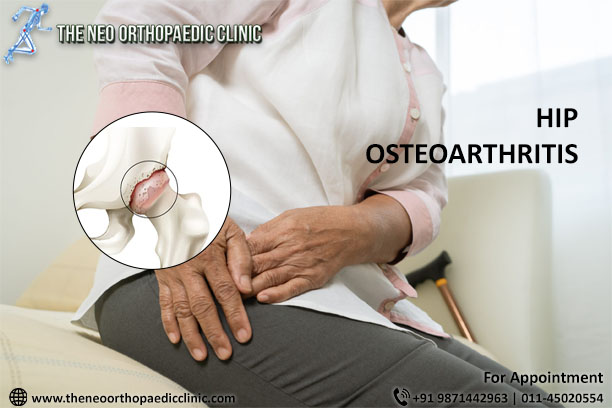
Understand how to treat osteoarthritis and live without pain


Pain located in the hip, which appears mainly during the day or after getting up from a long period of sitting, may be caused by osteoarthritis of the hip, explains the orthopaedic in Delhi.

It is a problem that generates pain and decreases the patient’s movements, directly affecting the routine and the performance of simple activities, such as crossing the legs, getting into the car, tying shoes, standing, walking and performing physical activities, says the orthopaedic in Delhi.

Many people live with this type of pain for a long time and wonder if hip osteoarthritis is curable. In this article you will understand how to treat and control this problem.

Is hip osteoarthritis curable? Understand how it happens

Osteoarthritis in the hip is a problem caused by the loss of cartilage in the joint, which ends up causing the pain generated by the friction of bones where cartilage should be.

This is because the cartilage present between the bones of all joints in the body does not have the ability to hurt. Thus, we can move all our joints, without noticing anything wrong.

The problem begins when a cartilage injury begins that causes the bones to come into contact with each other in the joint. As said, cartilage doesn’t hurt, but bones do. From this initial injury, a path of pain and wear begins, explains the orthopaedic in west Delhi.

In practice, the hip is formed by the junction of two bone structures:

  • Femur Head – It is the round part of the hip joint, formed by the femur bone, which is the thigh bone.
  • Acetabulum – It is the part of the pelvis cavity formed by the bones of the pelvis.

These joints fit perfectly and tightly, allowing for correct and completely pain-free movement of the hip. The problem is when this joint is affected by diseases that cause cartilage loss – as is the case with osteoarthritis., states the orthopaedic in west Delhi.

Know the symptoms of osteoarthritis in the hip

The symptoms of osteoarthritis of the hip tend to evolve over time and tend to start with mild, localized pain in the hip, says the orthopaedic doctor in Delhi.

As wear and tear on cartilage progresses slowly, initial symptoms are usually mild and worsen over time.

The pain tends to worsen with the effort used in simple activities such as standing and physical activities, improving only when the patient is at rest.

Faced with worsening and worsening of symptoms, the joint starts to block movement, preventing the patient from performing activities such as putting on shoes, crossing the legs or cutting nails.

In more advanced stages, there may be pain even at rest, says the orthopaedic doctor in Delhi.

After all, is osteoarthritis in the hip curable?

Osteoarthritis in the hip is a problem that, in and of itself, has no cure.

However, no desperation. There are treatments that can and should be performed in order to reduce pain and improve symptoms caused by cartilage damage.

The first step for anyone who wants to improve from hip pain is to correctly diagnose the cause of the pain. This will help determine the best treatment approach and, of course, the best outcome. The evaluation and trust in qualified professionals can make a patient stagnant in treatment, live again, says the orthopaedic in Dwarka.

Learn about the main ways to treat hip arthrosis:

1. Medicines

Patients who have severe, sharp pain may benefit from using anti-inflammatory drugs or corticosteroids in order to reduce inflammation quickly.

2. Changing habits

It is recommended that those who have joint problems develop some habits such as:

  • Avoid consumption of sugar, alcohol and saturated fats, as these types of food can increase inflammation and increase pain.
  • Reduce the physical activity that causes hip pain.
  • Keeping the body moving with physical activity that does not generate pain and has a controlled impact.
  • Reducing body weight helps not only to lessen the weight on the injured joint, but also to control the process of widespread inflammation caused by fat in the body.

3. Physiotherapy

Physiotherapy is done as part of treatment to reduce pain and reorganize body structures damaged by osteoarthritis.

It should be done with the guidance of a specialist physiotherapist, through analgesic and anti-inflammatory therapies, exercises that aim to improve joint lubrication, work on hip amplitude and function, as well as balance and body compensation techniques.

4. Exercises

It is recommended to practice physical activities that help to strengthen the thigh muscles and work on stretching the region.

Activities such as pilates, water aerobics and cycling should be part of the routine of people who suffer from osteoarthritis in the hip, in order to preserve movements and improve the frame.

But beware, each person must be evaluated individually. An activity that can do a lot of good for one type of person can accelerate hip wear and tear in another.

5. Hip Injection

Hip Injection is a technique that can be applied to the structures around or directly inside the joint, and it can have the function of reducing inflammation or improving the joint situation.

According to the objective, substances such as corticosteroids (to reduce inflammation) and hyaluronic acid (to improve joint lubrication and environment) are injected.

The type of injection must be done according to the medical advice of the specialist orthopaedic doctor in West Delhi, according to previous analysis and treatment objective for each patient.

6. Hip Replacement Surgery

Surgery for osteoarthritis in the hip should only be performed under the guidance of a specialist orthopaedic surgeon in Delhi. It is recommended when other treatments do not help to control pain or when there is a well-defined intrinsic benefit.

The hip replacement surgery in Delhi consists of removing the two parts of the diseased bone and placing components of hip prostheses. In these cases, after recovering from anesthesia, while still under observation, the patient begins to walk with a walker, continuing the treatment with a physical therapist.

Osteoarthritis in the hip is treatable

Osteoarthritis in the hip has no cure, but it has treatment that should be used to reduce and control pain, regain joint mobility and return the patient’s quality of life, says the orthopaedic in Delhi.

With medical guidance, it is possible to control symptoms and identify the best way to lead a pain-free life without limitations due to osteoarthritis in the hip.

Living with pain is not normal. Look for a specialist orthopaedic doctor in Delhi to treat hip arthrosis and resume your routine activities.

Monday, 4 October 2021

Hip Surgery - Indications, Description of the Procedure, Complications

What is hip joint degeneration?

Contrary to appearances, degeneration of the hip joint is not a disease that affects only the elderly, because the first symptoms of this disease may be felt even in people over 45, and sometimes even earlier. If the disease is not properly treated, the accompanying symptoms worsen over time and cause pain in patients, mainly in the groin, hip and buttock, gait disturbances in the form of limping and rocking to one side while walking, such as also the stiffness and limitations of movement that are most troublesome in the morning. 

Additionally, patients report to best orthopaedic in Delhi with symptoms such as jumping and crackling in the hip, and complaints of weakening of the thigh and buttock muscles on the degenerative side. All these ailments result from the weakening of the regenerative capacity of the articular cartilage, which due to the influence of various factors becomes thinner and loses its elasticity and, above all, ceases to act as a shock absorber. As a result, the surface of the head and acetabulum rub against the surface of the hip joint and secondary inflammation is formed in and around the joint, leading to reduced mobility.

The causes of hip osteoarthritis

Degeneration of the hip joints can be both primary, where the disease is mainly caused by natural wear and tear. The secondary causes responsible for the accretion of degenerative changes include: congenital defects of the hip joint (dysplasias), inflammation of the hip joint caused by e.g. rheumatoid arthritis or gout, acute injuries of the hip joint such as fractures and dislocations leading to the disturbance of the anatomical conditions of the hip. In addition, overloads that occur as a result of the nature of the work performed or the overweight or obesity of the patient are also important.

Hip osteoarthritis diagnosis

In most cases, a detailed medical history combined with an examination and an X-ray image are sufficient to make a diagnosis, on the basis of which the symptoms of degeneration are assessed, such as e.g. bone tissue thickening, bone spurs (osteophytes) on the edges of the acetabulum or narrowing of the joint space due to the loss of cartilage thickness. In some cases, the orthopaedic doctor in Delhi also orders an MRI of the hip, which allows him to assess in detail any damage to the labrum and cartilage of the hip joint.

When is a hip endoprosthesis necessary?

The indication for hip arthroplasty is critical and irreversible damage to the joint, which causes permanent and resting pain, the importance of limiting the range of motion. These ailments do not respond to treatment with other therapeutic methods. In these cases, arthroplasty is the only effective solution. Additional indications for the procedure are rheumatoid diseases, consequences of fractures in the area of ​​the hip joint, fractures of the femoral neck, early forms of sterile bone necrosis as well as neoplastic diseases.


What is a hip endoprosthesis?

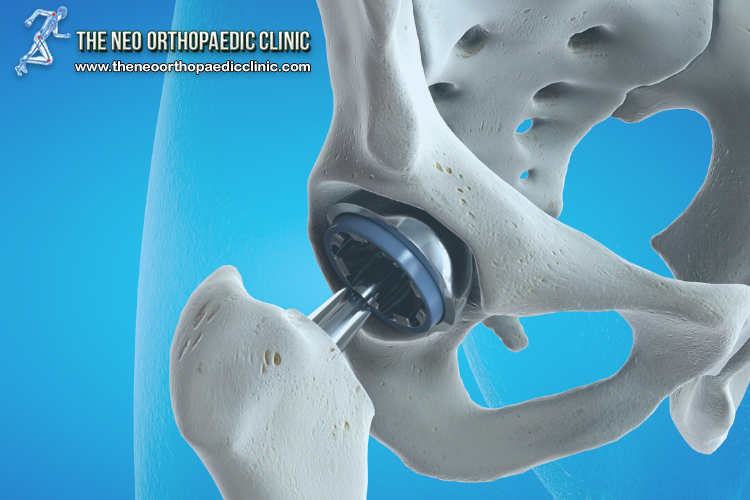
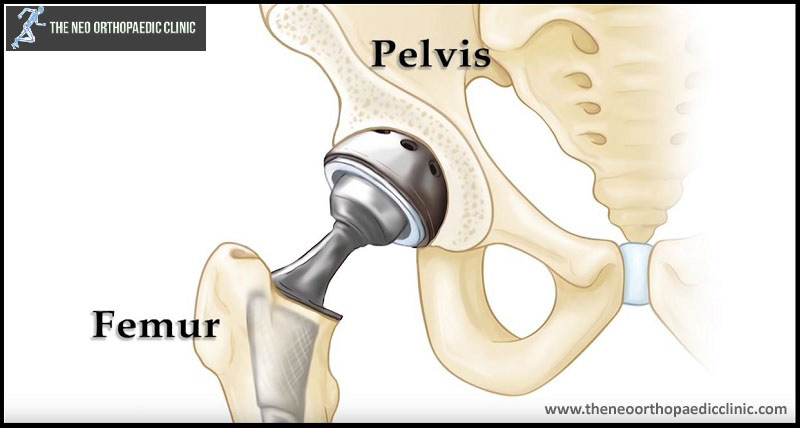
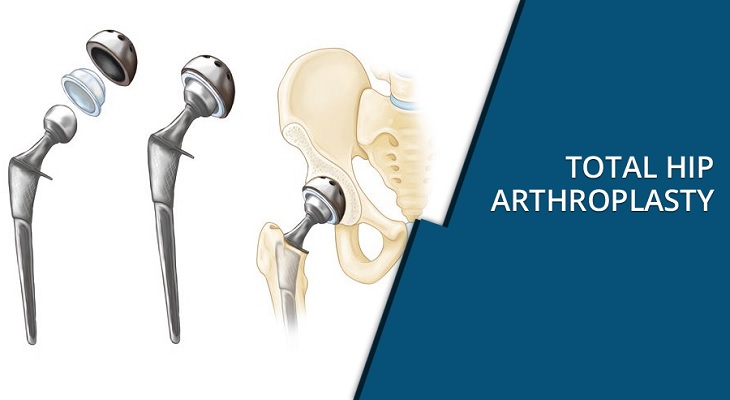
An endoprosthesis is an artificial joint that replaces our natural one in the form of an implant. Thus, the endoprosthetics procedure consists in removing degraded and worn out elements of the hip joint and replacing them with artificial parts. Endoprostheses are made of metals inert to the patient's body, such as titanium, which minimize the risk of implant rejection. The endoprosthesis consists of a shaft that is inserted into the medullary canal of the femur and the spherical head is mounted on it, which allows for movements. Additionally, the endoprosthesis includes an acetabular component in the form of a hollow hemisphere, which is implanted in the place of the diseased natural, bony acetabulum and it is between the acetabulum and the head that moves.

What types of hip endoprostheses are there?

Hip joint endoprostheses can be divided due to the way they are bound to the bone base, and they are:

  • cement prostheses where it is attached to the bone with the so-called bone cement. In most cases, this type of prosthesis is used in procedures in the elderly as well as in patients suffering from osteoporosis or rheumatoid arthritis.
  • Cementless endoprostheses, which are implanted directly into the bone and are used in the case of young patients who have not had bone degeneration
  • Hybrid endoprostheses, which are a combination of both previous types, because one element of the prosthesis, which is most often the cup, is embedded with the cementless method and the other element of the implant with the cement method

What does hip arthroplasty look like?

The duration of the hip replacement surgery in Delhi depends on the degree of deformation of the hip joint and lasts from 1 to 2 hours. The procedure is performed under spinal or epidural anesthesia, during which the feeling in the legs is turned off. After the surgical approach is performed, the orthopaedic surgeon in Delhi reveals the affected area and proceeds to resection of the head and neck of the femur, which creates space for an artificial joint element. In the next stage of the operation, the bone bed is prepared for the hip joint endoprosthesis and the endoprosthesis is fixed. At the beginning of implantation, an artificial acetabulum is implanted into the iliac bone, and then the endoprosthesis stem is inserted into the femoral canal. The stage that ends the procedure is the reconstruction of soft tissues, placing a layered suture on the surgical wound,

Does hip replacement surgery pose a high risk to the patient?

Correctly performed hip joint prosthesis implantation is a routine operation with documented good results. As with any surgical procedure, postoperative complications may occur, the most common being mechanical loosening of implants, infections in the skin and tissues near the prosthesis, the occurrence of venous thrombosis, change in limb length or joint ankylosis.

Do implanted endoprostheses need to be replaced? 

Due to the fact that modern prostheses are made of good-quality, long-lasting materials, a properly implanted endoprosthesis can serve the patient for decades. However, it should be emphasized that a hip joint prosthesis is an artificial element in our body that can simply wear out in the form of loosening, displacement, falling out of the joint or cracking. Although such situations rarely occur, it is good news for patients because virtually every malfunctioning endoprosthesis can be replaced during the so-called revision replacement of the hip joint endoprosthesis.

What is the patient's life like after the hip replacement surgery?

Hospitalization after hip replacement in Delhi is approximately 5 - 6 days. For each patient, an antibiotic shield is used for 3-4 days after the procedure, as well as thromboprophylaxis, which is applied until the 30th postoperative day. The next day after the surgery, the patient is upright and learns to walk on crutches and skillfully weight the operated side of the body. As a standard, on the next day after the procedure, it is possible to start walking with gradual loading of the operated limb. It takes about 3 months to recover. During this time, rehabilitation is recommended, followed by a gradual introduction of physical activity such as walking, cycling or swimming.

Hip prosthesis implantation procedures are actually a rescue operation that will damage but a very important part of our skeletal system, which allows patients to regain the correct quality of life, eliminate pain as well as return to everyday life and work activities.

Sunday, 20 June 2021

5 Myths About Hip Replacement


When hip osteoarthritis is in an advanced state, the pain is intense and limits our quality of life, it is time to consider the option of placing a hip replacement in Delhi.

The professional who can advise us when making this decision is the orthopaedic surgeon in Delhi; the orthopaedic doctor in Delhi who specializes in musculoskeletal injuries. This surgeon, together with the anesthetist, will be in charge of evaluating each specific case, taking into account all the factors that increase the risk of an intervention.

Many of you wonder how long do hip prostheses last? Am I too young for this intervention? Will I be able to play sports again?

Well, we are so helpful, today we bring you the 5 most popular myths about hip prostheses explained by the orthopaedic surgeon in Delhi.

1. Hip prostheses only last 10 years

Hip replacement in Delhi does not have an expiration date. The figures are an estimated average of how long these prostheses last in other patients. The length of time depends on the type of prosthesis that has been placed and how it is implanted. One that is well implanted in the bone can last 20 years perfectly. The material from which the prosthesis is made also influences. Formerly they had a plastic component that was wearing out and loosening the prosthesis. Today, the new designs are made of ceramic that prevent wear and inflammation caused by loosening of the prosthesis, explains the orthopaedic in Delhi.

2. Hip prostheses can only be put on from the age of 60

Prostheses now last 20-25 years, so an adult under 60 can be operated on, as long as there is no other way to avoid it. Ideally, this person should not need more than two replacements of said prosthesis throughout his life.

3. Only two hip replacements can be made

Traditionally, the prostheses were cemented to the bone, so there was a risk of fractures when a hip replacement surgery in Delhi was performed. Nowadays, when using cementless prostheses, and under the concept of bone preservation to avoid that bone fracture, what is tried is to maintain the bone reserve for future implants and that patients can change their prosthesis three, four or five times throughout your life.  

4. After the implantation of a hip replacement you are left lame

If the patient has a history of lameness, this antalgic gait is likely to persist after the implantation of the new prosthesis, due to the bad habit acquired during those years. And that can be solved with physiotherapy sessions. But the normal thing in is not to remain lame and you cannot even notice that they are wearing a prosthesis.

5. With a hip replacement, you cannot do sports again

You can do sports; another thing is that it is recommended or not to do some type of sport. If the prosthesis is well implanted, the patient will notice improvement and will be able to make movements that they could not before. What seems clear is that impact sports (running, soccer, basketball) would not be suitable because they would shorten the life of the hip replacement in Delhi due to small loosening of the implant in the bone. Orthopaedic in Delhi recommends that the patient exercise and maintain an active life: swimming, cycling, golf, ballroom dancing, or any type of activity as long as it is adapted to their condition.

Tuesday, 6 April 2021

TOTAL HIP REPLACEMENT: WHAT TO DO?


Total hip replacement (arthroplasty) is a surgical procedure consisting in replacing the hip joint with artificial parts. Most often, it is people whose degenerative disease destroys the hip joint and causes chronic pain.

The World Health Organization (WHO) has said that approximately 28% of people over 60 years of age have osteoarthritis and, of this group, 80% have limitation in their movements of ordinary life. In India, as we continue to age, the possibility of this reality is becoming more and more frequent.

According to the orthopaedic in Delhi, Osteoarthritis of the hip, in musculoskeletal diseases, is perhaps the one that generates the greatest disability; the functionality of the patient decreases due to loss of movement and disabling pain. But let’s review what osteoarthritis really is to understand its treatment.

Articular cartilage is a specialized tissue that covers every joint, allowing mobility and ideal adaptation in these areas to favour arches of motion.

But how is cartilage formed? They are highly specialized cells called chondrocytes, which differ from the embryonic stage and, when located in the joints, have biomechanical properties; They are capable of supporting the necessary loads associated with movement, walking, etc.

These cells produce collagen, which makes it possible to better support the physiological loads of movement and determine the characteristics of structure and differentiation according to the stimulus. These cells accompany us throughout life in our joints.

The downside is that these cells are not capable of reproducing in vitro and if there is injury or local damage they do not regenerate.

There is still no proven drug that can stimulate the reproduction of new chondrocytes that have the same properties as the original cells. When the cartilage erodes, a cartilage with regular characteristics called fibrocartilage is produced, which is not capable of imitating the original functions of the original articular cartilage. If the injury is considerable, it will inevitably end in osteoarthritis, says the orthopaedic surgeon in Delhi.

Osteoarthritis has different origins. It can be presented by a degenerative process, such as collagen diseases and the best known is rheumatoid arthritis; due to mechanical alteration, as is the case of angular or rotational alterations of the extremities, which wear irregularly the articular surface, for example, untreated hip dysplasia in children will surely end in osteoarthritis at some point in life. Osteoarthritis, too, can occur due to intra-articular fracture, which destroys cartilage and ends in post-traumatic osteoarthritis.

Finally, patients who have been apparently healthy, for genetic reasons and individually end up developing osteoarthritis in a primary way.

The treatment of osteoarthritis is aimed at protecting the function of the joint; This implies controlling the patient’s weight, performing activities of daily living that reduce excessive loads on the compromised joints, maintaining an adequate balance of the muscles around the joints, and understanding that the progression of osteoarthritis will possibly end in a greater compromise, explains the orthopaedic doctor in Delhi.

Each case is different and therefore the approach must be individualized.

On the market they offer different drugs that promise to “improve” osteoarthritis; unfortunately, studies show that the vast majority either do not work or barely achieve a feeling of pain control and a placebo effect. But none have succeeded in making the destroyed cartilage regenerate hyaline cartilage. Caution should be exercised with the use of these options, some of which are expensive and do not guarantee substantial changes.

When osteoarthritis has compromised the hip and the pain becomes disabling, the patient should go to the orthopaedist in Delhi, who will assess the age, work activity, sports and family expectations of the patient. Generally, hip replacement in Delhi will be the option, to control pain and regain mobility.

We owe the development of hip prostheses to the British orthopaedist Sir John Charnley, who through experiments on animals and then on humans in the 1940s managed to design and develop hip replacement using bone cement. (methyl methacrylate) to better adapt it to the bone.

This design allowed the hip joint replacement technique to be perfected in the following years, being today one of the most frequent surgeries in the world of orthopaedic surgery.

This managed to change the prognosis of the disease and allowed the patients to have an ordinary life, without pain, and with the functionality necessary according to their condition.

For this reason, when this procedure is defined, one must have the peace of mind of traceability over time, the high performance of prosthetic materials, refined techniques and in-hospital processes that favour a rapid recovery of the patient.

Of course, this hip replacement surgery in Delhi embodies inherent risks such as infection associated with any procedure, thromboembolic disease and other entities that are generally associated with the condition of each patient.

They are risks that are tried to be minimized with guides and protocols that help to give patients an excellent post-operative period and that increasingly show us success stories.

So, when you have hip pain, lameness and functional limitation, go to an orthopaedic doctor in Delhi specialized in traumatology to guide you and improve your style and quality of life.

Sunday, 4 April 2021

Hip Replacement Surgery- What you need to know


The specialty is generically known as the hip and deals with complex problems involving the pelvis region (pelvis), in addition to the hip joint itself, which is the meeting point between the femoral head and the pelvis. 

The pelvis is responsible for the transmission of body weight and its distribution to the lower limbs, a frequent site of inflammation, pain, tendonitis, and muscle imbalances, which compromise the quality of life, both of sedentary patients, and of amateur or professional athletes.

The complicated anatomy characterized by an intimate relationship with the lumbar spine, in addition to pelvic organs and neurovascular bundles, often causes diagnostic doubt and treatment errors, says the orthopaedic in Delhi.

Hip pain, as in any joint (meeting between two bones), can be of intra or extra-articular origin. The most prevalent intra-articular diseases are: femoroacetabular impingement, arthrosis, and avascular necrosis of the femoral head. Tendonitis, also known as bursitis, is the main cause outside the joint.

When is hip surgery indicated?

Hip Arthroplasty or hip replacement in Delhi is surgery to replace the joint with a mechanical model called a hip prosthesis. It reproduces joint function very similar to the original biological model.

We know that the hip is a joint formed by the meeting of the head of the femur (thigh bone) and the acetabulum (part of the pelvis), stabilized by a reinforced set of ligaments. 

In this way, Hip Arthroplasty is indicated when the patient has some type of disease in the hip that results in the joint’s inability to perform natural day-to-day activities. 

The main advantage of hip replacement surgery in Delhi is the relief of pain and the recovery of the functions of the joint, which makes the patient return to perform daily activities painlessly, explains the orthopaedic surgeon in Delhi.

There are several factors that cause a person to experience pain in the hip. Some of them are:

  • Osteoarthritis: type of arthritis that causes wear of the cartilage that cushions the hip bones and is related to age. It can also be caused by small irregularities in the development of the hip in childhood.
  • Rheumatoid arthritis: autoimmune disease that causes inflammation and thickening of the synovial membrane, which can damage cartilage, causing pain and stiffness.
  • Post-traumatic arthritis: cartilage injury that may arise following an injury or severe hip fracture, causing pain and stiffness in the hip over time.
  • Avascular necrosis: limitation of blood supply to the femoral head caused by an injury to the hip, such as a dislocation or fracture.

Once the orthopaedic doctor in Delhi and the patient opts ​​for hip surgery, the specialist can request several physical exams before the surgical procedure, to confirm that the health conditions allow the surgery to be performed.

Before and after hip surgery

Now let’s talk a little more about everything that involves before and after hip replacement surgery in Delhi. Do you know how you know the care that must be taken by both patients and doctors? 

Before surgery

Before surgery, the patient is advised to perform blood tests, chest radiography, electrocardiogram and urine samples. That’s because many elderly patients may have undiagnosed urinary tract infections that can lead to a hip infection after surgery, explains the orthopaedic in Delhi.

The type of anaesthesia can vary between general anaesthesia with a breathing tube or regional blocks. In some situations, where only a few screws are planned for fixation, local anaesthesia with heavy sedation can be considered, explains the orthopaedic surgeon in Delhi

During surgery and for the next 24 hours, all patients receive antibiotics.

After surgery

After hip arthroplasty, patients may be discharged from the orthopaedic clinic in Delhi to return to their homes or to seek a stay in a rehabilitation unit. In all cases, assistance and attention is needed for patients to recover properly, says the orthopaedic in Dwarka.

Pain after hip surgery is a natural part of the healing process and so the doctor and the nursing staff work to reduce the pain. The drugs are prescribed for short-term pain relief.

It is possible that some patients will be encouraged to get out of bed the day after surgery with the assistance of a physical therapist, who will work to assist in the recovery of strength and the ability to walk. This process can take up to three months.

In some cases, a blood transfusion may be necessary after surgery. However, long-term antibiotics are generally not needed. Most patients can still receive a dose of blood thinning medications to reduce the chances of developing blood clots.

It is also important to note that, after hip replacement surgery in Delhi, most patients will regain the mobility and independence they had before the injury.

Some important precautions after hip surgery, to avoid complications such as prosthesis dislocation and bone fracture are:

  • Lie on your back and with your legs spread;
  • Do not cross your legs to avoid displacement of the prosthesis;
  • Do not sit in very low places;
  • Avoid turning your leg in or out;
  • Physiotherapy;
  • Perform activities only under the guidance of the doctor or physiotherapist.

What are the main diseases of the hip?

The patient should seek guidance from an orthopaedic specialist in the hip in the following cases: 

  • Hip arthritis: inflammation of local joints. The most common type is inflammatory arthritis, which is when there is a change in the patient’s immune system, involving pain and swelling in the region.
  • Hip arthrosis: it is also known as osteoarthritis; it is degeneration of the cartilage that protects the bones. This damage also extends to the ligaments and joints causing pain, swelling and difficulty in movement.
  • Hip stress fractures: it occurs in the neck of the femur when stress is generated in the bone. 
  • Fracture in the coccyx: occurs mainly in cases of fall or a very strong impact, capable of causing some type of injury at the site. It is common for the patient to feel a lot of pain in the region, in addition to having difficulty moving.
  • Hip dislocation: it is a dislocation of the bones of the hip joint. They happen in moments of trauma in the place, for example, in a fall. However, the condition can also be congenital, when the child is born with the dislocation or ends up acquiring it (developmental dysplasia of the hip).
  • Hip tendonitis: inflammation in the tendons of the region, capable of causing pain and swelling. 
  • Hip bursitis: inflammation of the bursa that is between the muscle and the tendon, in order to avoid a large impact between tendons and bones. When the patient presents this condition, he feels pain in the joints and difficulties to move the inflamed site.

Wednesday, 17 February 2021

Total Hip Arthroplasty: Indications, Types of Prostheses and Risks


Known as ” total hip arthroplasty ”, this replacement surgery is an option for the patient whose hip pain interferes with your daily activities and the simplest treatments do not improve. Arthritis, and the damage it causes, is the most common reason why patients seek a hip replacement in Delhi.

Generally this surgery is performed for different disorders that damage the joints located in the hip, so a replacement is sought, says the orthopaedic in Delhi.

  • Osteoarthritis that is generated by wear and tear and damages the slippery cartilage that covers the ends of the bones and that also helps the joints have smooth mobility.
  • Rheumatoid arthritis occurs as a consequence of an overactive immune system. This produces an inflammation that usually erodes the cartilage and sometimes the bone that is underneath, which causes damage to the joints.
  • In Osteonecrosis, if there is any irregularity in the blood supply to the spherical part of the hip joint, the bone may lose its shape and collapse.

This option for hip replacement in Delhi may be considered if you have pain with these aspects.

If it worsens when walking, even if you have a cane, if it interferes with your sleep, with your ability to go up and down stairs, and if it is difficult to get up when you are sitting.

The two main indications for a total hip replacement are pain and functional disability suffered by the patient. After the hip replacement in Delhi, not only does the pain disappear, but the patient can regain normal mobility of the affected hip and return to performing their daily activities in a satisfactory way.

Currently, both young patients and elderly patients who have osteoarthritis or some other degenerative disease of the hip (necrosis or fracture of the femoral head, hip dysplasia…) benefit from this hip replacement surgery in west Delhi, recovering both quality of life, such as the hope of being able to perform demanding physical activities (swimming, cycling, …), explains the orthopaedic in Delhi.

What is hip replacement surgery and what types of prostheses are there?

The hip replacement surgery in Delhi consists of the replacement of the affected joint by a mechanical implant, the prosthesis.

There are many types of prostheses, but in a generic way we can say that a total hip prosthesis consists of three basic elements; an implant for the femur part (stem), an implant for the pelvic or acetabulum part (cup), and an implant between the stem and cup (head).

Both the stem and the cup are fixed to the bone, and this fixation will be responsible for a hip replacement lasting more or less time. Depending on the fixation of the stem or cup to the bone, prostheses are classified as cemented or non-cemented.

Another important part of the prosthesis is the friction torque (components that are in contact during movement), which is classified according to the material: metal-polyethylene, ceramic-polyethylene, ceramic-ceramic, oxynium-polyethylene, metal-metal. Currently, the most widely used total hip prosthesis, according to the orthopaedic surgeon in Delhi, is the uncemented one with a metal-polyethylene friction pair.

The choice of the type of prosthesis and friction torque will depend on different factors such as age, medical history of the patient…. But, in any case, the experience of the orthopaedic surgeon in Delhi is essential to choose the most suitable for each patient in this type of intervention.

The risks that are associated with this hip replacement surgery in Delhi can have:

Some blood clots after it, some clots can form in the veins of the legs, which can be dangerous, since some portion of the clot is able to break off and move to the lungs, the heart and even the brain. Most likely, your orthopaedic doctor in Delhi will prescribe blood-thinning medications to eliminate this risk.

Infections can appear at the incision site and in the deeper tissues in our hips. They are mostly treated with antibiotics, but some serious ones may be near the prosthesis, you may need another surgery.

Some fracture is probable, although little. In the healthy parts of the hip joint.

The adequate preparation for this surgery is a consultation with the orthopaedic in Delhi so that they can give you all the necessary recommendations for it.

This hip replacement surgery in Delhi will bring a total improvement, the pain felt before the surgery disappears completely, the range of motion of the joints will be improved. Generally, you could not do the same amount of things that you did before your hip replacement. For example, physical activities like playing basketball or running can be very stressful for an artificial joint.

When to Visit an Orthopaedic Specialist

  Orthopaedic conditions can significantly affect your daily life. Recognizing when to see a specialist can help prevent further damage and ...