Showing posts with label orthopaedic surgeon in dwarka. Show all posts

Thursday, 20 August 2026

10 Common Orthopedic Problems and Their Warning Signs


Our bones, joints, muscles, and ligaments support almost everything we do, from walking and climbing stairs to exercising and simply getting out of bed. When something goes wrong with the musculoskeletal system, even ordinary activities can become uncomfortable.

Orthopedic problems can affect people of all ages. Some develop gradually because of age, lifestyle, or repetitive stress, while others happen suddenly because of an injury. Recognizing the early warning signs can help you seek appropriate care before the problem starts interfering more seriously with your daily life.

If you are looking for the Best Orthopaedic doctor in Delhi, understanding common orthopedic conditions and their symptoms can help you make a more informed decision about your health.

1. Osteoarthritis

Osteoarthritis is one of the most common joint conditions, particularly among older adults. It occurs when the protective cartilage within a joint gradually wears down.

It commonly affects the knees, hips, hands, and spine.

Warning signs include:

  • Joint pain during or after movement

  • Stiffness after waking up or sitting for a long time

  • Swelling around the affected joint

  • Reduced flexibility

  • A grinding or clicking sensation during movement

  • Difficulty performing everyday activities

Early evaluation can help identify the severity of joint changes and determine suitable treatment options.

2. Back Pain

Back pain is extremely common and can have many causes. Muscle strain, poor posture, disc problems, injuries, and age-related changes in the spine can all contribute to discomfort.

While occasional mild back pain may settle with appropriate self-care, persistent or recurring pain should not simply be ignored.

Warning signs include:

  • Persistent lower or upper back pain

  • Pain that worsens with certain movements

  • Back stiffness

  • Muscle spasms

  • Pain spreading into the hip or leg

  • Numbness or tingling

  • Weakness in the legs

If back pain is affecting your sleep, work, or normal activities, consulting the Best Orthopaedic doctor in Delhi can help determine whether an underlying orthopedic condition needs attention.

3. Knee Injuries

The knee is a complex joint that handles a significant amount of body weight. Sports, falls, sudden twisting movements, and everyday strain can cause injuries to its ligaments, cartilage, or other structures.

ACL injuries and meniscus tears are common examples.

Warning signs include:

  • Sudden knee pain following an injury

  • Swelling

  • Difficulty putting weight on the leg

  • A feeling that the knee is unstable

  • Limited movement

  • Clicking or locking of the knee

Athletes and physically active individuals should take persistent knee symptoms seriously rather than returning to strenuous activity too quickly.

4. Slip Disc

A slip disc, commonly referred to as a herniated disc, occurs when one of the discs between the vertebrae bulges or becomes damaged and may irritate nearby nerves.

It can occur in the lower back or neck.

Warning signs include:

  • Back or neck pain

  • Pain travelling into the arm or leg

  • Tingling or numbness

  • Muscle weakness

  • Pain that becomes worse with certain movements

Not every disc problem requires surgery. Depending on the condition, treatment may include medication, physiotherapy, activity modification, or other approaches.

5. Osteoporosis

Osteoporosis causes bones to become weaker and more vulnerable to fractures. It can develop silently, meaning a person may not know they have reduced bone strength until a fracture occurs.

Possible warning signs include:

  • Fractures after minor falls or injuries

  • Persistent back pain

  • Loss of height over time

  • A change in posture

  • Increasingly rounded upper back

People at higher risk of osteoporosis may benefit from discussing bone health and appropriate screening with a healthcare professional.

6. Frozen Shoulder

Frozen shoulder, medically known as adhesive capsulitis, causes pain and increasing stiffness in the shoulder. The condition can make simple movements such as reaching overhead or putting on clothes surprisingly difficult.

Warning signs include:

  • Persistent shoulder pain

  • Increasing stiffness

  • Difficulty raising the arm

  • Trouble reaching behind the back

  • Difficulty performing everyday activities

Early assessment can help establish whether the symptoms are related to frozen shoulder or another shoulder condition.

7. Tennis Elbow

Despite its name, tennis elbow does not only affect tennis players. Repetitive movements involving the wrist and forearm can irritate the tendons around the outside of the elbow.

People who frequently type, use tools, play sports, or perform repetitive manual work may experience it.

Warning signs include:

  • Pain on the outside of the elbow

  • Pain when gripping objects

  • Weakness in the hand or wrist

  • Discomfort while lifting

  • Tenderness around the elbow

Reducing aggravating activities and getting appropriate treatment can help prevent symptoms from becoming persistent.

8. Arthritis

Arthritis refers to a group of conditions that cause inflammation or other problems within the joints. Different forms of arthritis can affect people differently.

Common warning signs include:

  • Joint pain

  • Swelling

  • Morning stiffness

  • Reduced range of motion

  • Warmth around the joint

  • Difficulty moving the affected area

If joint pain continues for several weeks or repeatedly returns, professional evaluation may help identify the underlying cause.

9. Sports Injuries

Sports injuries can affect muscles, ligaments, tendons, bones, and joints. They may happen because of a sudden accident or develop gradually because of overuse.

Common examples include sprains, strains, ligament injuries, and stress injuries.

Warning signs include:

  • Sudden pain during exercise

  • Swelling or bruising

  • Reduced movement

  • Joint instability

  • Difficulty putting weight on a limb

  • Pain that does not improve with rest

Returning to sports before an injury has properly recovered may increase the risk of further damage.

10. Fractures

A fracture occurs when a bone breaks or develops a crack. While major accidents can obviously cause fractures, weakened bones may also break following relatively minor falls.

Warning signs include:

  • Sudden and intense pain

  • Swelling

  • Bruising

  • Difficulty moving the affected area

  • Inability to put weight on a limb

  • Visible change in the shape of the injured area

Suspected fractures require proper medical assessment. Avoid trying to straighten or manipulate a visibly injured limb yourself.

When Should You See an Orthopedic Doctor?

Not every ache requires an immediate orthopedic consultation. However, certain symptoms deserve professional attention.

Consider seeing an orthopedic specialist if you experience:

  • Persistent or worsening pain

  • Repeated joint swelling

  • Difficulty walking or moving normally

  • Reduced range of motion

  • Numbness or weakness

  • Pain following an injury

  • Recurrent sports injuries

  • Pain that interferes with sleep or everyday activities

Sudden severe pain following an accident, an obvious deformity, inability to bear weight, or significant weakness or numbness should be evaluated promptly.

Choosing the Best Orthopaedic doctor in Delhi should not be based only on online ratings. Look for a qualified specialist who carefully evaluates your symptoms, explains the diagnosis, and discusses appropriate treatment options with you.

How Are Orthopedic Problems Diagnosed?

The diagnosis usually begins with a discussion about your symptoms, medical history, lifestyle, and any previous injuries. Your doctor may also examine your movement, joint stability, muscle strength, and reflexes.

Depending on what is found, diagnostic tests such as X-rays, ultrasound, MRI, or other investigations may be recommended.

Importantly, imaging is not necessary for every orthopedic problem. A doctor can determine which tests, if any, are appropriate based on your individual symptoms.

Treatment Options for Orthopedic Conditions

Treatment varies considerably depending on the condition and its severity.

Some patients may improve with conservative approaches such as:

  • Rest or temporary activity modification

  • Physiotherapy

  • Stretching and strengthening exercises

  • Appropriate pain management

  • Weight management

  • Posture correction

  • Lifestyle modifications

For certain injuries or advanced conditions, injections or surgical treatment may be considered.

At The Neo Orthopaedic Clinic in Dwarka, West Delhi, patients can discuss their orthopedic concerns and understand the treatment options appropriate for their individual condition.

Can Orthopedic Problems Be Prevented?

Not every orthopedic condition can be prevented, but several healthy habits can reduce the risk of injuries and support long-term musculoskeletal health.

Stay physically active, maintain a healthy weight, use proper technique when exercising or lifting objects, and avoid suddenly increasing the intensity of your workouts.

If you spend many hours sitting, take regular breaks and pay attention to your posture. Wearing suitable footwear can also be helpful, particularly if you spend a lot of time standing or walking.

For older adults, maintaining muscle strength and balance is particularly important because it can help reduce the risk of falls.

Don't Ignore Persistent Pain

Pain is often the body's way of telling you that something needs attention. While a minor ache after an unusually demanding day may settle naturally, persistent pain, swelling, stiffness, weakness, or restricted movement deserves a closer look.

An early evaluation does not necessarily mean you will need surgery. In many cases, identifying the problem early allows you to explore simpler treatment options and make changes before symptoms become more limiting.

If you are searching for the Best Orthopaedic doctor in Delhi, focus on finding a qualified professional who takes the time to understand your symptoms and provides a treatment plan suited to your needs.

The Neo Orthopaedic Clinic in Dwarka, West Delhi can be an option for individuals seeking evaluation and treatment for orthopedic and musculoskeletal concerns.

Remember, this information is for general awareness and should not replace an examination by a qualified medical professional. If you have persistent, severe, or unexplained pain, seek appropriate medical advice rather than trying to diagnose the condition yourself.

Saturday, 14 September 2024

When to Visit an Orthopaedic Specialist


Orthopaedic conditions can significantly affect your daily life. Recognizing when to see a specialist can help prevent further damage and improve your quality of life. Here are some key signs to help you decide when it’s time to consult an orthopaedic surgeon in Dwarka.

Chronic Pain in Joints or Bones

If you experience persistent pain in your joints or bones lasting for more than a few weeks, it may be a sign of an underlying condition. Acute injuries often heal with rest, but if discomfort continues, an orthopaedic in Dwarka can diagnose the cause and recommend treatment.

Limited Range of Motion

A decreased ability to move your joints fully is another clear indication to visit an orthopaedic in Dwarka. Limited range of motion can result from injuries, arthritis, or other degenerative conditions. Early intervention can help restore mobility and prevent the issue from worsening.

Injuries from Sports or Accidents

Sports-related injuries, car accidents, or slips and falls often lead to sprains, fractures, or dislocations. If you’ve sustained an injury that hasn’t healed properly or you’re unsure of the severity, an orthopaedic consultation is essential for a thorough evaluation and effective recovery plan.

Difficulty in Performing Daily Activities

If everyday tasks like walking, climbing stairs, or lifting objects become challenging due to joint or bone pain, it’s time to seek professional help. An orthopaedic doctor in Dwarka can identify the cause and provide solutions such as physical therapy, medications, or even surgery if necessary.

Swelling and Inflammation

Unexplained swelling, redness, or inflammation in the joints or around the bones is a warning sign that something may be wrong. These symptoms could indicate an infection, injury, or inflammatory disease like arthritis. An orthopaedic doctor in Dwarka can help pinpoint the cause and recommend appropriate treatments.

Bone Deformities or Abnormal Growths

Visible deformities or abnormal growths in the bones, whether from injury or a congenital condition, should be evaluated by an orthopaedic doctor in Delhi. These issues can impact your physical appearance and functionality, making early diagnosis critical for managing symptoms effectively.

Back Pain That Persists

Chronic back pain is one of the most common reasons people visit orthopaedic doctor in Delhi. If over-the-counter pain relievers and rest haven’t alleviated the issue, it’s a good idea to consult a specialist. They can assess whether the pain is due to a muscle strain, spinal issue, or something more serious.

Numbness, Tingling, or Weakness in Limbs

Experiencing numbness, tingling, or weakness in your arms or legs could be related to nerve compression or a spine issue. These symptoms should not be ignored as they can worsen over time, leading to permanent damage if left untreated.

Previous Surgeries with Lingering Symptoms

If you’ve had surgery on your bones or joints but still experience lingering symptoms, it’s worth a visit to the orthopaedic surgeon in Dwarka for a follow-up. They can assess whether the initial procedure was successful or if further treatment is necessary to fully address the problem.

Conclusion

Orthopaedic issues can affect anyone at any age. If you experience any of the symptoms mentioned, don’t hesitate to consult a specialist. Early detection and treatment can make a significant difference in your recovery and long-term health.

Tuesday, 4 April 2023

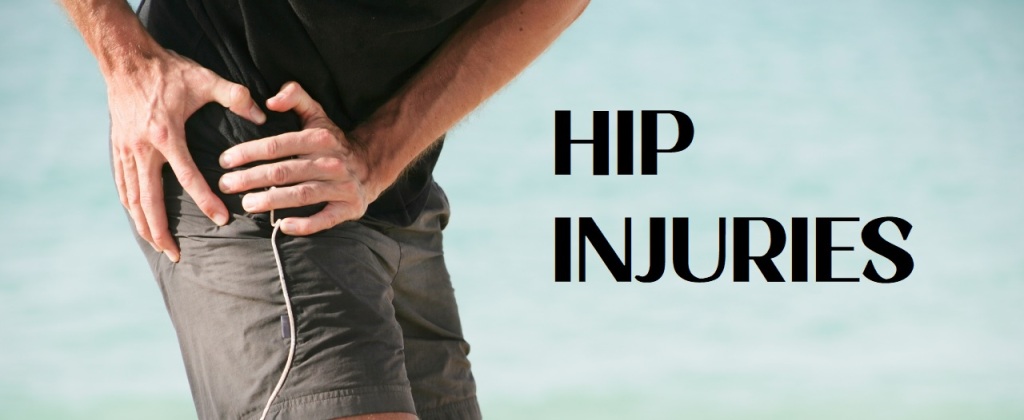
HIP INJURIES: TYPES, SYMPTOMS, PREVENTION AND SURGERY


The hip is one of the joints most affected by injuries and degeneration of bones and cartilage. For this reason, adequate treatment carried out by an orthopaedic surgeon in Dwarka is important, to help avoid chronic injuries that affect the patient’s quality of life.

What are the most frequent hip pathologies?

The hip is the joint that serves as a union for the femur and the pelvis, it is one of the joints of the human body most affected by age. In many cases, hip pathologies are due to degeneration of the bones and tendons.

Depending on the causes and symptoms, numerous hip injuries can be differentiated. One of the most common is hip bursitis, which is caused by inflammation of the synovial bag of the trochanter. The bursa protects the hip from impact and contributes to the mobility of the joint.

Trochanteritis is characterized by inflammation of the trochanter, which is the protruding femur located in the upper part of the leg. In these cases, the patient often experiences radiating pain down the leg.

Another of the most common hip injuries, especially among athletes, is hip groin pain. This pathology is produced by an affectation to the muscles of the inguinal area, caused by repetitive movements of the joint. Finally, hip osteoarthritis is one of the most common pathologies, which is characterized by the wear and degeneration of the hip bones, which can cause hip breaks or fractures.

Causes of hip injuries

Hip injuries do not have a specific cause, however, there are common causes observable in most patients with hip pathologies. First of all, muscular imbalances, that is, a progressive loss of strength in the hip muscles that increases the risk of injury. In these cases, it is common for the patient to also have a lack of flexibility in the area.

In addition, as has been mentioned, one of the most frequent causes of hip pathologies is age , which accelerates the degeneration of bones and cartilage, increasing the chances of suffering a joint injury.

Finally, overtraining or overexertion of the joint can be the cause of different injuries, since it causes muscle fatigue in the area.

Symptoms of hip pathologies

Usually, hip pathologies are manifested by acute pain in the joint that, on many occasions, radiates along the legs. It is common for this pain to appear accompanied by inflammation and immobility in the area, so the patient will experience difficulty in performing certain movements.

Sometimes, the patient may have a sensation of heat in the area, especially in those cases in which inflammation appears. As well as weakness and immobility in the hip and legs.

Diagnosis of hip injuries

When the patient goes to the best orthopaedic in Dwarka manifesting symptoms of a hip injury, in the first place, he will undergo a physical examination, in which the possible existing inflammation will be studied, as well as those points in which there is greater pain.

In most cases, especially those in which there is suspicion of hip rupture or fracture, it will be necessary for the patient to undergo diagnostic imaging tests, such as X-rays or magnetic resonance imaging, which will allow the available information to be expanded.

Best treatments for hip injuries

Once a complete diagnosis of the lesion has been made, the most appropriate treatment for each patient will be prescribed by orthopaedic in West Delhi. First of all, it is usually advisable to carry out a period of rest, which is accompanied by the application of cold in the area. The patient is usually prescribed an anti-inflammatory treatment, which helps to alleviate existing pain.

In cases of inflammatory and muscular injuries of the hip, treatment with physiotherapy can offer good results, since it contributes to the strengthening of the area and, therefore, reduces the risk of future injuries.

Surgery for hip injuries

In cases of advanced osteoarthritis, or hip breaks and fractures, the most common treatment is surgery. There are different types of hip surgery, one of the most common is hip replacement in Delhi the implantation of a prosthesis made of synthetic material, which can assume the function of the joint.

In other cases, it is decided to carry out a bone repair, through the implantation of screws and surgical material, which allows the joint to recover mobility.

Tips to prevent hip injuries

In those cases, in which hip injuries are caused by a degeneration of the joint, it is difficult to establish guidelines to avoid them. However, there are certain recommendations, which can be useful to protect the hip joint from injuries in the short and long term.

First of all, it is important to control body weight, since the higher the BMI, the pressure on the joint will be greater and, therefore, the risk of degeneration of bones and tendons, too. In addition, it is important to treat the injuries correctly and applying a treatment prescribed by an orthopaedic doctor in Delhi. In this way, the relapse of injuries will be avoided, as well as the appearance of new pathologies.

It is advisable to carry out exercises that help strengthen the hip musculature, as well as to avoid sports practices that suppose an excessive impact on the joint.

As explained, the treatment of hip injuries is essential to avoid the chronification of pathologies. By following certain guidelines, the chances of developing the lesion can be significantly reduced.

Thursday, 19 May 2022

UNICOMPARTMENTAL KNEE PROSTHESIS


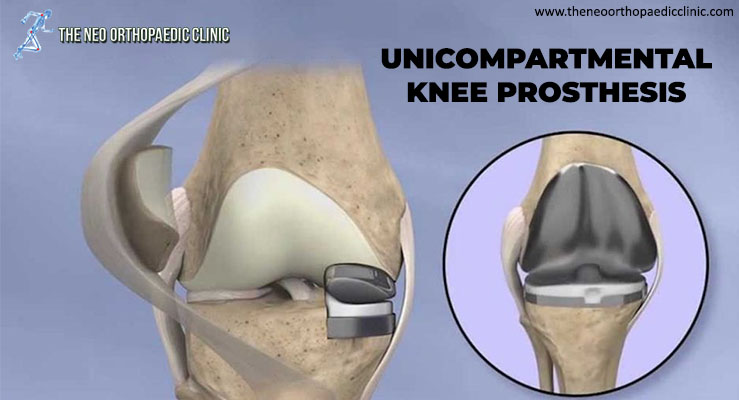
During knee replacement surgery in Delhi, the damaged bone and cartilage are covered with metal and plastic components. In a unicompartmental knee replacement (also called a “partial” knee replacement), only part of the knee is covered. This procedure is an alternative to total knee replacement for patients whose disease is limited to just one area of ​​the knee.

Because partial knee replacement is done through a smaller incision, patients generally spend less time in the hospital and return to normal activities sooner than patients undergoing total knee replacement.

ADVANTAGES OF PARTIAL KNEE REPLACEMENT

Several studies show that most patients who are suitable candidates for the procedure have good results with unicompartmental knee replacement in Delhi.
The advantages of partial knee replacement over total knee replacement include:

  • Faster recovery;
  • Less pain after surgery;
  • Less blood loss;

DISADVANTAGES OF PARTIAL KNEE REPLACEMENT

The disadvantages of partial knee replacement compared to total knee replacement include:

  • Slightly less predictable pain relief;
  • Potential need for more surgery. For example, a total knee replacement in Delhi may be necessary in the future if arthritis develops in the parts of the knee that were not replaced;

SURGERY CANDIDATES

If your osteoarthritis has advanced and non-surgical treatment options are no longer relieving your symptoms, orthopaedic in Dwarka may recommend knee replacement surgery in West Delhi. In order to be a candidate for unicompartmental knee replacement, your arthritis must be limited to one compartment of your knee. In addition, if you have any of the following characteristics, you may not be eligible for the procedure:

  • Inflammatory arthritis;
  • Significant knee stiffness;
  • ligament damage;

With proper patient selection, modern unicompartmental knee replacements have demonstrated excellent mid- and long-term results in younger and older patients.

YOUR SURGERY

A partial knee replacement operation typically lasts between 1 and 2 hours.

Partial knee replacement. There are three basic steps in the procedure:

  • Prepare the bone. Your orthopaedic surgeon in Dwarka will use special saws to remove cartilage from the damaged compartment of your knee;
  • Position the metal implants. The removed cartilage and bone are replaced with metallic coatings that recreate the joint’s surface. These metal pieces are typically held in the bone with cement;
  • Insert a spacer. A plastic insert is placed between the two metal components to create a smooth gliding surface;

COMPLICATIONS

As with any surgical procedure, there are risks involved with a partial knee replacement. Your orthopaedic surgeon in West Delhi will discuss each of the risks with you and take specific steps to help prevent potential complications.

Although rare, the most common risks include:

  • Blood clots. Blood clots in the leg veins are a common complication of knee replacement surgery. Blood clots can form in the deep veins of the legs or pelvis after surgery. Blood anticoagulants such as low molecular weight heparin and aspirin can help prevent this problem. Newer medications, such as rivaroxaban (Xarelto), may also be prescribed by your orthopaedic doctor in Dwarka, depending on your needs;
  • Infection. After surgery, an infection may occur in the skin over the wound or deep into the wound. An infection can happen while you are in the hospital or after you go home. You will be given antibiotics before the start of your surgery and these will be continued for about 24 hours afterwards to prevent infection;
  • Nerve or vessel damage. Although it rarely happens, nerves or blood vessels can be injured or stretched during the procedure;
  • continued pain;
  • Risks of anesthesia;
  • Need for additional surgery;

RECOVERY

Hospital discharge. Patients with partial knee replacement generally experience less postoperative pain, less swelling, and have easier rehabilitation than patients undergoing total knee replacement. In most cases, patients go home 1 to 3 days after the operation. Some patients go home on the day of surgery.

Weight support. You will begin putting weight on your knee immediately after surgery. You may need a walker, or crutches for the first few days or weeks until you feel comfortable enough to walk without assistance.

Rehabilitation exercise. A physiotherapist in Dwarka will give you exercises to help maintain your range of motion and restore your strength.

Tuesday, 17 May 2022

Patellar Instability or Patellar Dislocation


What is Patellar Instability or Patellar Dislocation?

The patella, formerly known as the kneecap, is the front bone of the knee, responsible for transmitting the strength of the thigh muscles. In some situations, this bone can move out of its normal location, called patellar instability or patellar dislocation, explains the orthopaedic in Delhi.

If the patellar dislocation occurred for the first time, it is called a primal patellar dislocation. From the second episode, it is called recurrent patellar dislocation.

What are the symptoms of patellar instability?

When a patellar dislocation occurs, there is severe pain and an inability to mobilize the knee. It is possible to see and feel that the patella has moved out of place.

Most of the time, the patella comes back into place on its own almost immediately. Rarely, a doctor needs to put it in place with a knee extension maneuver.

After a patellar dislocation, there may be a feeling of insecurity with the knee, even without the patella clearly moving out of place. This sensation is called a patellar seizure. It is a very uncomfortable symptom, which can interfere with normal activities, says the orthopaedic in Dwarka.

How and why does patella dislocation occur?

Patellar dislocation can occur from trauma, such as a blow or twist to the knee, or without trauma, in a common movement of the joint.

Some people have knee features that favor patellar dislocation. Among the main ones are:

  • High patella
    • The patellar tendon is longer, which makes the patella rest on the knee in a higher position, decreasing the bony socket at the beginning of knee flexion.
  • Increased patellar tilt
  • Femoral trochlea dysplasia
    • The groove on the femur where the patella fits can be shallower than normal, completely flat, or even convex.
  • Increase of the “Q” angle
    • “Q” angle is formed by the direction of traction of the thigh musculature and the direction of traction of the patellar tendon.
  • Patients with valgus knees (knees in, or in “X”)
  • Ligament laxity is also more predisposed.

What is the medial patellofemoral ligament?

The medial patellofemoral ligament is the structure that prevents dislocation of the patella. When the patella is displaced, it is injured or loosened.

When the patellar dislocation is treated without surgery, what is expected is that this ligament will heal. In the surgical treatment of patellar dislocation, reconstruction of the medial patellofemoral ligament is performed in most cases, explains the orthopaedic surgeon in Delhi.

Learn more about patellar dislocation treatments below.

How is patellar instability diagnosed?

The diagnosis of patellar instability is made through a careful assessment of the patient’s clinical history and physical examination, complemented with imaging tests.

The main test to be evaluated is magnetic resonance imaging, which shows indirect signs of dislocation, injury to the medial patellofemoral ligament, and the anatomical changes that favor instability. In addition, MRI is essential to look for cartilage lesions. Other tests, such as radiographs in special positions and computed tomography, are useful for evaluating the shape of the knee and predisposing factors, states the orthopaedic in west Delhi.

How is patellar instability treated without surgery? In what situation is he indicated?

In the case of a patient with an episode of patellar dislocation, both non-surgical and surgical treatment are possible. The decision for one or the other must be individualized, after a detailed discussion between the patient and the orthopaedic surgeon in Dwarka.

Non-surgical treatment involves immobilization for a period, followed by rehabilitation focused on exercises to strengthen and control the thigh and hip muscles. The goal of successful non-surgical treatment is the absence of new episodes of dislocation and patellar apprehension, the feeling of discomfort or buckling caused by instability, explains the orthopaedic surgeon in Dwarka.

In which cases is surgery indicated?

Situations that indicate treatment with patellar dislocation surgery are:

  • Recurrent episodes of dislocation (recurrent patellar dislocation)
  • Association with cartilage injuries
  • Symptoms of apprehension getting in the way of normal activities

Patients with a single episode of dislocation, although they can be treated without surgery, can also opt for surgical treatment. Surgery has the advantage of a lower chance of re-displacement or seizure symptoms for activities, says the orthopaedic surgeon in west Delhi.

What are patellar instability surgeries like?

According to the orthopaedic surgeon in Delhi, there are several procedures available for patellar instability, which are chosen according to the characteristics of each patient, and there may be a combination of procedures. This concept of individualized treatment is known as Ã  la carte treatment, influenced by the French school.

These are the most common procedures performed for patellar dislocation.

  • Reconstruction of the medial patellofemoral ligament
    This ligament is the main restrictor of patellar dislocation, and its reconstruction is indicated in almost all cases. It is a graft from the patient’s own tendon to remake the ligament.
  • Lateral release (or release)
    Release of structures that hold the patella on the side or outside, when there is excess tension. Can be done openly or arthroscopically (video surgery)
  • Tibial tuberosity osteotomy
    A cut is made in the tibial bone to reposition the point where the patellar tendon attaches. This transfer allows for patellar realignment or patellar height correction.
  • Trochleoplasty
    Correction of the shape of the femoral trochlea, the groove where the patella rests on the femur.
  • Treatment of cartilage injuries
    When cartilage injuries also exist, these may also need specific treatment.

How is the postoperative period and rehabilitation?

Postoperative care depends on the technique used. They usually involve a period of support with crutches and a knee brace. However, from the beginning, it is already allowed to put the foot on the floor and remove the immobilizer to move the knee in most situations. Rehabilitation includes restoring knee mobility and restoring strength and control of the musculature of the thigh, hip, and trunk.

Sunday, 3 April 2022

Understand how to treat osteoarthritis and live without pain


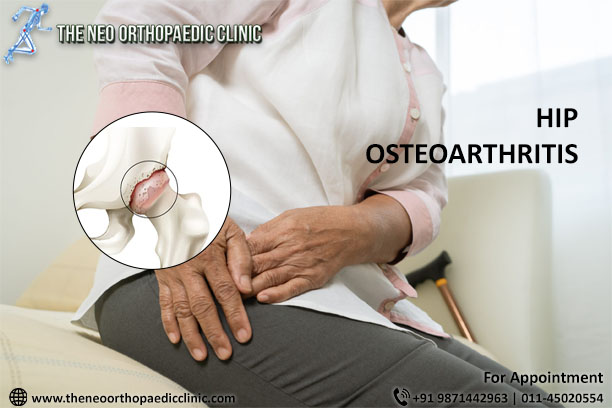
Pain located in the hip, which appears mainly during the day or after getting up from a long period of sitting, may be caused by osteoarthritis of the hip, explains the orthopaedic in Delhi.

It is a problem that generates pain and decreases the patient’s movements, directly affecting the routine and the performance of simple activities, such as crossing the legs, getting into the car, tying shoes, standing, walking and performing physical activities, says the orthopaedic in Delhi.

Many people live with this type of pain for a long time and wonder if hip osteoarthritis is curable. In this article you will understand how to treat and control this problem.

Is hip osteoarthritis curable? Understand how it happens

Osteoarthritis in the hip is a problem caused by the loss of cartilage in the joint, which ends up causing the pain generated by the friction of bones where cartilage should be.

This is because the cartilage present between the bones of all joints in the body does not have the ability to hurt. Thus, we can move all our joints, without noticing anything wrong.

The problem begins when a cartilage injury begins that causes the bones to come into contact with each other in the joint. As said, cartilage doesn’t hurt, but bones do. From this initial injury, a path of pain and wear begins, explains the orthopaedic in west Delhi.

In practice, the hip is formed by the junction of two bone structures:

  • Femur Head – It is the round part of the hip joint, formed by the femur bone, which is the thigh bone.
  • Acetabulum – It is the part of the pelvis cavity formed by the bones of the pelvis.

These joints fit perfectly and tightly, allowing for correct and completely pain-free movement of the hip. The problem is when this joint is affected by diseases that cause cartilage loss – as is the case with osteoarthritis., states the orthopaedic in west Delhi.

Know the symptoms of osteoarthritis in the hip

The symptoms of osteoarthritis of the hip tend to evolve over time and tend to start with mild, localized pain in the hip, says the orthopaedic doctor in Delhi.

As wear and tear on cartilage progresses slowly, initial symptoms are usually mild and worsen over time.

The pain tends to worsen with the effort used in simple activities such as standing and physical activities, improving only when the patient is at rest.

Faced with worsening and worsening of symptoms, the joint starts to block movement, preventing the patient from performing activities such as putting on shoes, crossing the legs or cutting nails.

In more advanced stages, there may be pain even at rest, says the orthopaedic doctor in Delhi.

After all, is osteoarthritis in the hip curable?

Osteoarthritis in the hip is a problem that, in and of itself, has no cure.

However, no desperation. There are treatments that can and should be performed in order to reduce pain and improve symptoms caused by cartilage damage.

The first step for anyone who wants to improve from hip pain is to correctly diagnose the cause of the pain. This will help determine the best treatment approach and, of course, the best outcome. The evaluation and trust in qualified professionals can make a patient stagnant in treatment, live again, says the orthopaedic in Dwarka.

Learn about the main ways to treat hip arthrosis:

1. Medicines

Patients who have severe, sharp pain may benefit from using anti-inflammatory drugs or corticosteroids in order to reduce inflammation quickly.

2. Changing habits

It is recommended that those who have joint problems develop some habits such as:

  • Avoid consumption of sugar, alcohol and saturated fats, as these types of food can increase inflammation and increase pain.
  • Reduce the physical activity that causes hip pain.
  • Keeping the body moving with physical activity that does not generate pain and has a controlled impact.
  • Reducing body weight helps not only to lessen the weight on the injured joint, but also to control the process of widespread inflammation caused by fat in the body.

3. Physiotherapy

Physiotherapy is done as part of treatment to reduce pain and reorganize body structures damaged by osteoarthritis.

It should be done with the guidance of a specialist physiotherapist, through analgesic and anti-inflammatory therapies, exercises that aim to improve joint lubrication, work on hip amplitude and function, as well as balance and body compensation techniques.

4. Exercises

It is recommended to practice physical activities that help to strengthen the thigh muscles and work on stretching the region.

Activities such as pilates, water aerobics and cycling should be part of the routine of people who suffer from osteoarthritis in the hip, in order to preserve movements and improve the frame.

But beware, each person must be evaluated individually. An activity that can do a lot of good for one type of person can accelerate hip wear and tear in another.

5. Hip Injection

Hip Injection is a technique that can be applied to the structures around or directly inside the joint, and it can have the function of reducing inflammation or improving the joint situation.

According to the objective, substances such as corticosteroids (to reduce inflammation) and hyaluronic acid (to improve joint lubrication and environment) are injected.

The type of injection must be done according to the medical advice of the specialist orthopaedic doctor in West Delhi, according to previous analysis and treatment objective for each patient.

6. Hip Replacement Surgery

Surgery for osteoarthritis in the hip should only be performed under the guidance of a specialist orthopaedic surgeon in Delhi. It is recommended when other treatments do not help to control pain or when there is a well-defined intrinsic benefit.

The hip replacement surgery in Delhi consists of removing the two parts of the diseased bone and placing components of hip prostheses. In these cases, after recovering from anesthesia, while still under observation, the patient begins to walk with a walker, continuing the treatment with a physical therapist.

Osteoarthritis in the hip is treatable

Osteoarthritis in the hip has no cure, but it has treatment that should be used to reduce and control pain, regain joint mobility and return the patient’s quality of life, says the orthopaedic in Delhi.

With medical guidance, it is possible to control symptoms and identify the best way to lead a pain-free life without limitations due to osteoarthritis in the hip.

Living with pain is not normal. Look for a specialist orthopaedic doctor in Delhi to treat hip arthrosis and resume your routine activities.

10 Common Orthopedic Problems and Their Warning Signs

Our bones, joints, muscles, and ligaments support almost everything we do, from walking and climbing stairs to exercising and simply getting...