Tuesday, 6 April 2021

TOTAL HIP REPLACEMENT: WHAT TO DO?


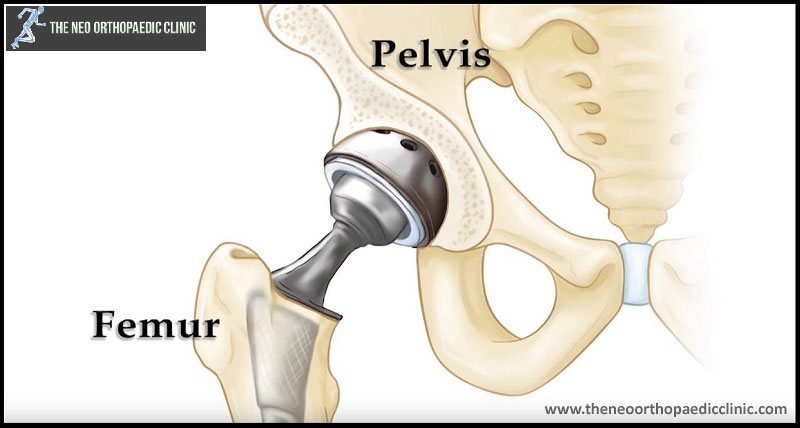
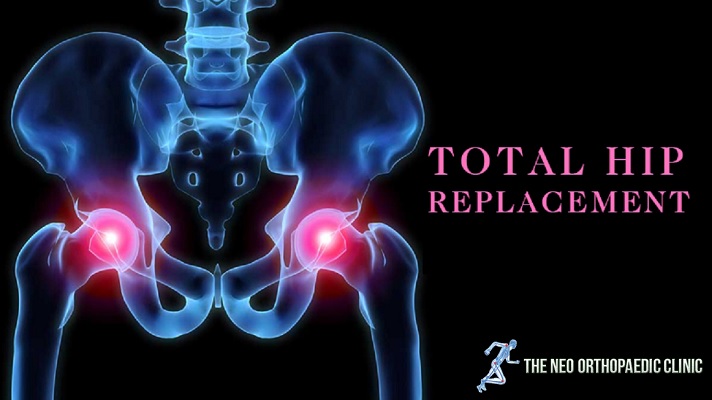
Total hip replacement (arthroplasty) is a surgical procedure consisting in replacing the hip joint with artificial parts. Most often, it is people whose degenerative disease destroys the hip joint and causes chronic pain.

The World Health Organization (WHO) has said that approximately 28% of people over 60 years of age have osteoarthritis and, of this group, 80% have limitation in their movements of ordinary life. In India, as we continue to age, the possibility of this reality is becoming more and more frequent.

According to the orthopaedic in Delhi, Osteoarthritis of the hip, in musculoskeletal diseases, is perhaps the one that generates the greatest disability; the functionality of the patient decreases due to loss of movement and disabling pain. But let’s review what osteoarthritis really is to understand its treatment.

Articular cartilage is a specialized tissue that covers every joint, allowing mobility and ideal adaptation in these areas to favour arches of motion.

But how is cartilage formed? They are highly specialized cells called chondrocytes, which differ from the embryonic stage and, when located in the joints, have biomechanical properties; They are capable of supporting the necessary loads associated with movement, walking, etc.

These cells produce collagen, which makes it possible to better support the physiological loads of movement and determine the characteristics of structure and differentiation according to the stimulus. These cells accompany us throughout life in our joints.

The downside is that these cells are not capable of reproducing in vitro and if there is injury or local damage they do not regenerate.

There is still no proven drug that can stimulate the reproduction of new chondrocytes that have the same properties as the original cells. When the cartilage erodes, a cartilage with regular characteristics called fibrocartilage is produced, which is not capable of imitating the original functions of the original articular cartilage. If the injury is considerable, it will inevitably end in osteoarthritis, says the orthopaedic surgeon in Delhi.

Osteoarthritis has different origins. It can be presented by a degenerative process, such as collagen diseases and the best known is rheumatoid arthritis; due to mechanical alteration, as is the case of angular or rotational alterations of the extremities, which wear irregularly the articular surface, for example, untreated hip dysplasia in children will surely end in osteoarthritis at some point in life. Osteoarthritis, too, can occur due to intra-articular fracture, which destroys cartilage and ends in post-traumatic osteoarthritis.

Finally, patients who have been apparently healthy, for genetic reasons and individually end up developing osteoarthritis in a primary way.

The treatment of osteoarthritis is aimed at protecting the function of the joint; This implies controlling the patient’s weight, performing activities of daily living that reduce excessive loads on the compromised joints, maintaining an adequate balance of the muscles around the joints, and understanding that the progression of osteoarthritis will possibly end in a greater compromise, explains the orthopaedic doctor in Delhi.

Each case is different and therefore the approach must be individualized.

On the market they offer different drugs that promise to “improve” osteoarthritis; unfortunately, studies show that the vast majority either do not work or barely achieve a feeling of pain control and a placebo effect. But none have succeeded in making the destroyed cartilage regenerate hyaline cartilage. Caution should be exercised with the use of these options, some of which are expensive and do not guarantee substantial changes.

When osteoarthritis has compromised the hip and the pain becomes disabling, the patient should go to the orthopaedist in Delhi, who will assess the age, work activity, sports and family expectations of the patient. Generally, hip replacement in Delhi will be the option, to control pain and regain mobility.

We owe the development of hip prostheses to the British orthopaedist Sir John Charnley, who through experiments on animals and then on humans in the 1940s managed to design and develop hip replacement using bone cement. (methyl methacrylate) to better adapt it to the bone.

This design allowed the hip joint replacement technique to be perfected in the following years, being today one of the most frequent surgeries in the world of orthopaedic surgery.

This managed to change the prognosis of the disease and allowed the patients to have an ordinary life, without pain, and with the functionality necessary according to their condition.

For this reason, when this procedure is defined, one must have the peace of mind of traceability over time, the high performance of prosthetic materials, refined techniques and in-hospital processes that favour a rapid recovery of the patient.

Of course, this hip replacement surgery in Delhi embodies inherent risks such as infection associated with any procedure, thromboembolic disease and other entities that are generally associated with the condition of each patient.

They are risks that are tried to be minimized with guides and protocols that help to give patients an excellent post-operative period and that increasingly show us success stories.

So, when you have hip pain, lameness and functional limitation, go to an orthopaedic doctor in Delhi specialized in traumatology to guide you and improve your style and quality of life.

Sunday, 4 April 2021

Hip Replacement Surgery- What you need to know


The specialty is generically known as the hip and deals with complex problems involving the pelvis region (pelvis), in addition to the hip joint itself, which is the meeting point between the femoral head and the pelvis. 

The pelvis is responsible for the transmission of body weight and its distribution to the lower limbs, a frequent site of inflammation, pain, tendonitis, and muscle imbalances, which compromise the quality of life, both of sedentary patients, and of amateur or professional athletes.

The complicated anatomy characterized by an intimate relationship with the lumbar spine, in addition to pelvic organs and neurovascular bundles, often causes diagnostic doubt and treatment errors, says the orthopaedic in Delhi.

Hip pain, as in any joint (meeting between two bones), can be of intra or extra-articular origin. The most prevalent intra-articular diseases are: femoroacetabular impingement, arthrosis, and avascular necrosis of the femoral head. Tendonitis, also known as bursitis, is the main cause outside the joint.

When is hip surgery indicated?

Hip Arthroplasty or hip replacement in Delhi is surgery to replace the joint with a mechanical model called a hip prosthesis. It reproduces joint function very similar to the original biological model.

We know that the hip is a joint formed by the meeting of the head of the femur (thigh bone) and the acetabulum (part of the pelvis), stabilized by a reinforced set of ligaments. 

In this way, Hip Arthroplasty is indicated when the patient has some type of disease in the hip that results in the joint’s inability to perform natural day-to-day activities. 

The main advantage of hip replacement surgery in Delhi is the relief of pain and the recovery of the functions of the joint, which makes the patient return to perform daily activities painlessly, explains the orthopaedic surgeon in Delhi.

There are several factors that cause a person to experience pain in the hip. Some of them are:

  • Osteoarthritis: type of arthritis that causes wear of the cartilage that cushions the hip bones and is related to age. It can also be caused by small irregularities in the development of the hip in childhood.
  • Rheumatoid arthritis: autoimmune disease that causes inflammation and thickening of the synovial membrane, which can damage cartilage, causing pain and stiffness.
  • Post-traumatic arthritis: cartilage injury that may arise following an injury or severe hip fracture, causing pain and stiffness in the hip over time.
  • Avascular necrosis: limitation of blood supply to the femoral head caused by an injury to the hip, such as a dislocation or fracture.

Once the orthopaedic doctor in Delhi and the patient opts ​​for hip surgery, the specialist can request several physical exams before the surgical procedure, to confirm that the health conditions allow the surgery to be performed.

Before and after hip surgery

Now let’s talk a little more about everything that involves before and after hip replacement surgery in Delhi. Do you know how you know the care that must be taken by both patients and doctors? 

Before surgery

Before surgery, the patient is advised to perform blood tests, chest radiography, electrocardiogram and urine samples. That’s because many elderly patients may have undiagnosed urinary tract infections that can lead to a hip infection after surgery, explains the orthopaedic in Delhi.

The type of anaesthesia can vary between general anaesthesia with a breathing tube or regional blocks. In some situations, where only a few screws are planned for fixation, local anaesthesia with heavy sedation can be considered, explains the orthopaedic surgeon in Delhi. 

During surgery and for the next 24 hours, all patients receive antibiotics.

After surgery

After hip arthroplasty, patients may be discharged from the orthopaedic clinic in Delhi to return to their homes or to seek a stay in a rehabilitation unit. In all cases, assistance and attention is needed for patients to recover properly, says the orthopaedic in Dwarka.

Pain after hip surgery is a natural part of the healing process and so the doctor and the nursing staff work to reduce the pain. The drugs are prescribed for short-term pain relief.

It is possible that some patients will be encouraged to get out of bed the day after surgery with the assistance of a physical therapist, who will work to assist in the recovery of strength and the ability to walk. This process can take up to three months.

In some cases, a blood transfusion may be necessary after surgery. However, long-term antibiotics are generally not needed. Most patients can still receive a dose of blood thinning medications to reduce the chances of developing blood clots.

It is also important to note that, after hip replacement surgery in Delhi, most patients will regain the mobility and independence they had before the injury.

Some important precautions after hip surgery, to avoid complications such as prosthesis dislocation and bone fracture are:

  • Lie on your back and with your legs spread;
  • Do not cross your legs to avoid displacement of the prosthesis;
  • Do not sit in very low places;
  • Avoid turning your leg in or out;
  • Physiotherapy;
  • Perform activities only under the guidance of the doctor or physiotherapist.

What are the main diseases of the hip?

The patient should seek guidance from an orthopaedic specialist in the hip in the following cases: 

  • Hip arthritis: inflammation of local joints. The most common type is inflammatory arthritis, which is when there is a change in the patient’s immune system, involving pain and swelling in the region.
  • Hip arthrosis: it is also known as osteoarthritis; it is degeneration of the cartilage that protects the bones. This damage also extends to the ligaments and joints causing pain, swelling and difficulty in movement.
  • Hip stress fractures: it occurs in the neck of the femur when stress is generated in the bone. 
  • Fracture in the coccyx: occurs mainly in cases of fall or a very strong impact, capable of causing some type of injury at the site. It is common for the patient to feel a lot of pain in the region, in addition to having difficulty moving.
  • Hip dislocation: it is a dislocation of the bones of the hip joint. They happen in moments of trauma in the place, for example, in a fall. However, the condition can also be congenital, when the child is born with the dislocation or ends up acquiring it (developmental dysplasia of the hip).
  • Hip tendonitis: inflammation in the tendons of the region, capable of causing pain and swelling. 
  • Hip bursitis: inflammation of the bursa that is between the muscle and the tendon, in order to avoid a large impact between tendons and bones. When the patient presents this condition, he feels pain in the joints and difficulties to move the inflamed site.

Wednesday, 31 March 2021

Shoulder Bursitis - What it is, Symptoms, Treatment, Cure


What is shoulder bursitis?

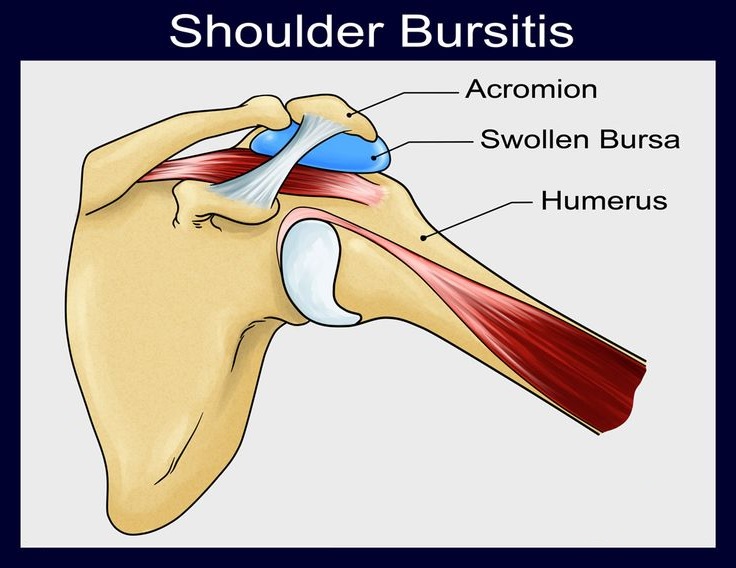
The shoulder bursitis results from an inflammation of the synovial bags (or bursae) that exist around this joint and the tendons of the rotator hood.

It is one of the most frequent causes of pain in this joint. It can be bilateral, reaching both the left shoulder and the right shoulder.

It can be acute or progress to chronic shoulder bursitis, says the orthopaedic in Delhi.

Subacromial bursitis

There are several bursitis that can occur in the shoulder depending on whether one or the other synovial pouch is affected.

The most frequent are those that reach the sub deltoidal subacromial bursa, forming what is commonly called subacromial bursitis.

Shoulder bursitis – symptoms

Shoulder bursitis presents a clinical picture similar to that of tendonitis in the shoulder.

The most characteristic symptoms are the presence of inflammatory pain, located on the antero-lateral face of the shoulder, eventually radiating to the arm and elbow. Its worsening is especially felt with efforts or during the night, making it impossible for the patient to sleep on the affected shoulder.

Also characteristic of shoulder bursitis is the presence of crackling that is palpable, or perceived by the patient, when mobilizing the joint, explains the orthopaedic doctor in Delhi.

Shoulder bursitis – causes

The most frequent causes of shoulder bursitis are trauma and repeated efforts, such as those that occur with certain work activities (painters or plasterers, warehouse replenishers, etc.) or with the practice of certain sports, such as weight training, swimming or others practiced with the arm above the head (“overhead sports”), says the sports injury specialist in west Delhi.

Certain rheumatic diseases (such as, for example, rheumatoid arthritis, gout, lupus, psoriatic arthritis) also often develop with bursitis (namely subacromial).

Shoulder bursitis – diagnosis

The diagnosis of this pathology is made, essentially, through a careful clinical examination, carried out by your specialist shoulder orthopaedic doctor in Delhi.

The exams to be performed later may be an x-ray that helps to exclude other causes of shoulder pain (such as osteoarthritis or calcifying tendinitis) and an ultrasound of the shoulder that easily visualizes the fluid in the subacromial bursa (caused by the inflammatory effusion).

The nuclear magnetic resonance (NMR) of the shoulder is, however, one that has a better diagnostic accuracy, obtaining high-resolution images of the surrounding muscle-tendon structures and eluding any intra-articular pathology, states the orthopaedic in West Delhi.

Is shoulder bursitis curable?

Shoulder bursitis is curable. Next, learn how to treat shoulder bursitis.

Shoulder bursitis – treatment

The medication or remedy most commonly used to treat shoulder bursitis is anti-inflammatory. The most common are ibuprofen, diclofenac, naproxen, among others. Its use is aimed at relieving pain and decreasing the inflammation that is always present in these conditions. Its application can be topical in the form of creams (or gels), or impregnated dressings that will make a prolonged release of these agents in the affected area.

The patient can also take these drugs in oral form (in capsules or diluted), taking care to do so after meals or preceded by taking gastric protectors, in order to avoid the aggression of the gastric or duodenal mucous membranes, states the orthopaedic doctor in Dwarka.

The physiotherapy is essential to maintain joint function and help control pain. A well-oriented physiotherapeutic treatment, with adequate exercises, can prevent the installation of a marked stiffness in the shoulder, usually called adhesive or retractable capsulitis (frozen shoulder or “frozen shoulder”). This would oblige to prolong the treatment for its complete resolution.

In cases of very acute and incapacitating pain, or reluctant to any other non-invasive treatment, infiltration or local injection of corticosteroids diluted with local anesthetic, may be a therapeutic weapon to be used by your orthopaedic doctor in Dwarka to resolve the condition. Your institution should be judicious and always consider the pros and risks of its application.

Shoulder bursitis – surgery

Shoulder arthroscopy in Delhi (surgery) is reserved for cases that are resistant to medical treatment or that simultaneously present other pathologies, such as rotator cuff tears or osteoarthritis, says the orthopaedic surgeon in Delhi.

This operation is performed using mini-invasive techniques that allow an excellent articular visualization, performing a minimal surgical aggression and thus providing a well-tolerated postoperative period and an easier and faster rehabilitation.

It should be carried out in specialized orthopaedic clinic in Delhi and by experienced orthopaedic surgeon in Delhi in order to obtain the best results.

Tuesday, 23 March 2021

Hip Pain- Causes, Treatment, Prevention

The hip is one of the most important joints in the body, in addition to being quite complex. However, because it is subjected to constant movement and for integrating several anatomical structures, such as muscles and bones, the hip may present with pain. 

The function of the hip is to support the entire spine, as well as to make the connection with the lower limbs, allowing their movement. Thus, it is to be expected that a region that suffers so much with impact may present some pathologies related to it. 

But what are the main diseases that cause hip pain? And how to prevent pain in that region? That's what we're going to check! 

What are the main causes of hip pain?

Hip pain can have several different causes.

There are several factors related to hip pain, from problems caused by aging of the hip joint, to the development of other pathologies in younger patients. 

Let's talk about the main causes of hip pain. 

1 - Trochanteric bursitis 

Trochanteric bursitis is a very common pathology resulting from inflammation of the bursa, which is a bag-like structure between the upper and lateral part of the femur. This structure can become inflamed due to the constant friction of the femur with the hip. 

This region between the femur and the hip is called the trochanter and, in trochanteric bursitis, it becomes inflamed, causing pain in the hip. 

The treatment of trochanteric bursitis involves administration of anti-inflammatory drugs, as well as rest until disinflation occurs. 

In more severe cases, physiotherapy is mandatory, however, in some cases, surgery is indicated, since the region is quite deteriorated, requiring the placement of a prosthesis in it, says orthopaedic in Delhi. 

2 - Tendinopathies 

There are all the problems that involve the tendons in the hips. When these tendons are in trouble, starting with inflammation, the patient suffers from hip pain. 

There may be confusion between tendinopathies and trochanteric bursitis, so analysis by a orthopaedic surgeon in Delhi is essential for the correct diagnosis. 

In the case of tendinopathies, treatment involves anti-inflammatory drugs and physiotherapy exercises with stretching. 

3 - Herniated Disc and Sciatic Compression 

Many people experience pain in the lower back, not necessarily caused by a hip structure, but by herniated discs in the lower back. 

Another factor that causes pain in the hip region is the compression of the sciatic nerve, pain that can remain in the gluteal region and extend until posterior to the thigh. 

It is important for the orthopaedic in Dwarka to analyze the type of pain, as well as the limitation of movement and make imaging exams to evaluate the lower back with greater care. 

4 - Fractures 

Fractures are the main cause of orthopedic surgeries for older people, and a number of factors contribute to this. 

Among these factors, we can mention osteoporosis, lack of physical conditioning, lack of balance, as well as visual difficulties. All of these factors contribute to falls in the elderly and, consequently, fractures in the hip region. 

Women are more susceptible to fractures for a number of reasons, including hormonal changes that contribute to osteoporosis. 

The consolidation of fractures in the elderly can be quite challenging, especially if there are other comorbidities. For this reason, fractures end up leading a percentage of patients to death in the first 2 years. 

On the other hand, there are quite evolved orthopedic materials and they can be options in several cases. 

When there is a fracture of the femoral neck, the hip replacement in Delhi is necessary. 

5 - Arthrosis 

Arthrosis is the wear and tear of the hip joint. It is common in older people and can cause pain in the hip and thigh region. 

Over time, movement may become more difficult, limiting movement. 

Treatment includes physiotherapy sessions and analgesic measures to relieve pain, restoring range of motion. 


What is the treatment for hip pain?

Physiotherapy is essential to treat hip pain.

First, the correct diagnosis is necessary. 

Thus, if you have persistent pain in the hip region, you should seek assistance from a specialist. 

Often, treatment will include analgesic and anti-inflammatory medications, as well as rest and physiotherapy sessions. 

Some cases will have surgical indications, but it is a minority. Most cases will have conservative treatment, with analgesic measures and physical therapy. 

Surgical treatments must have associated physical therapy rehabilitation, so that the patient can return to movement as soon as possible. 

How to prevent hip pain? 

Hip pain can be prevented with a few measures. 

  • Stay within the weight; 
  • Have an active life, with physical exercises supervised by an orthopaedic in West Delhi; 
  • Always do stretching exercises; 
  • Do specific strengthening for the hip region; 
  • Don't be sedentary; 
  • At the pain signal, do not force and consult a specialist; 
  • If treatment has been prescribed, do the recommended physiotherapy sessions.

What to do in case of hip pain?

In case of hip pain rest is recommended.

If you experience pain in the hip area and cannot immediately seek specialized emergency care, some actions can help to temporarily reduce the pain. 

But, it is important to remember that these actions only temporarily reduce pain, and cannot be replaced by a consultation and physiotherapy sessions. 

  • Rest, lying on your back and try to raise the hip region, as in a bridge; 
  • Apply hot compresses on the side of the hip; 

Conclusion 

Persistent hip pain can be a sign of several problems. For the correct diagnosis, it is necessary to consult a specialist orthopaedic doctor in Delhi who will evaluate and prescribe the best treatment. 

Physiotherapy is a strong ally in the treatment of hip pain, since it has analgesic measures and specialized treatment to reduce pain and improve the patient's general condition. 

In addition, physiotherapy is part of post-surgical rehabilitation in patients who have undergone surgery to place prostheses on the hip, however, most treatments indicated for hip pain are conservative, obtaining good results, says the orthopaedic in Delhi.

Thursday, 18 March 2021

Elbow Dislocation. Causes and types of treatment


What is an elbow dislocation?

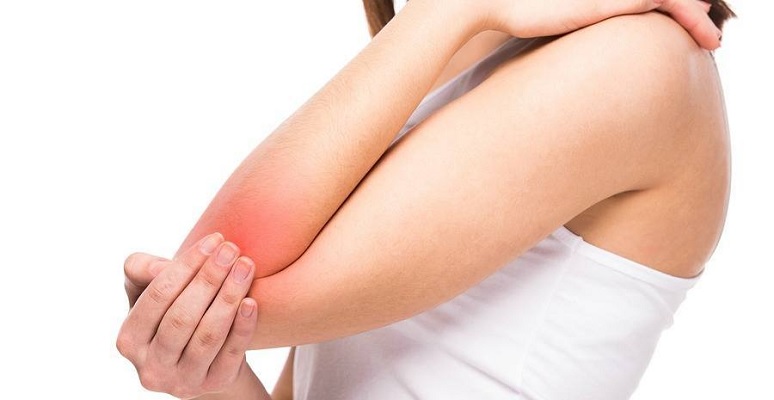
Elbow dislocation is a very common pathology in traumatology. This occurs when the relationship between humerus, ulna and radius is broken, and the pain that it produces in the person who suffers it is very intense, says the orthopaedic in Delhi.

When the articular surfaces of an elbow are separated, the elbow is displaced. Elbow displacement can be complete or partial. In complete displacement, the joint surfaces are completely separated. In a partial displacement, the surfaces of the joints are only partially separated. A partial displacement is also called a subluxation.

For this reason, we suggest that you consult an orthopaedic doctor in Delhi specialized in arthroplasty and elbow arthroscopy in Delhi, techniques through which elbow injuries can be solved quickly and in a minimally invasive way.

It is important to note that expectations in the case of this injury are very high and recovery occurs satisfactorily in at least 80% of cases.

What are the causes of elbow dislocation?

The main reason for this injury is a heavy fall on the outstretched hand since there is a high chance that the humerus will be out of its correct alignment with the joint, explains the orthopaedic doctor in Delhi.

Traffic accidents are also a common cause due to severe trauma.

Elbow dislocation can occur in sports such as soccer, hockey, skiing, gymnastics, or volleyball.

In this sense, sports practice becomes one of the risk factors along with age (children’s elbows are more prone, so we must avoid jerks when walking), sex (affects more men than women) or heredity (people with looser ligaments).

How is the preoperative elbow dislocation?

First of all, the bones must return to their place and for this an orthopaedic in Delhi will perform a reduction, but not before correctly evaluating the injury so as not to cause further damage. Subsequently, the pathology will be studied to decide whether to perform an elbow surgery that will be necessary in the following cases:

  • Fracture of any of the dislocated bones.
  • Ligament tear.
  • Damage to nerves or blood vessels and bones of the elbow.

In the case of operating on the patient, the team of orthopaedic surgeon in Delhi prepares thoroughly for possible complications with a set of fundamental tools in the operating room:

  • Radius Head Fracture Fixation Kit, Coronids, Proximal Ulna.
  • Implants to replace radio head.
  • Bone anchors for soft tissues.
  • Articulated external fixation

What are the types of elbow dislocation treatments?

Orthopaedic surgeon in Delhi proposes two possibilities to treat elbow dislocation that we expose below and that will be useful one or the other according to each case:

ACUTE TREATMENT:

It is applied in cases where there are fractures associated with the head of the radius and / or coronoid and the approach can be lateral or medial. Specifically, this surgery is used to successfully repair radial head fracture, proximal ulna and coronoid tear, and lateral ligament.

Likewise, in this type of treatment articulated external fixators are sometimes used for the following cases:

  • Neutralization of the load on the repairs when they are seems weak.
  • The elbow appears vulnerable to reluxation.
  • So that the patient can move the arm from the first day in a regulated way.

DEFERRED TREATMENT:

The parts that are restored are the same as with the acute treatment but with complications such as scar tissue, partially or totally united bone fragments, little identifiable joint surfaces.

If you have suffered an elbow dislocation and need advice, do not hesitate to contact orthopaedic in Delhi to assess your case, establish the appropriate diagnosis and carry out your recovery with optimal results.

Thursday, 11 March 2021

Main causes and consequences of bone sound


Many people experience joint noise, that is, noise in the bones or joints, which in most cases occurs when making sudden or forced movements. In a large percentage of cases, it is not of great importance and it is not necessary for the patient to undergo any specific treatment. However, if the pain appears accompanied by pain or inflammation, it is important that a specialist orthopaedic in Delhi is consulted to evaluate the patient’s symptoms.

For what reasons do bones sound?

Many people experience sound in their bones during normal activities, which is especially common in growing children. In most cases, if the sound is not accompanied by pain, it does not matter. In these cases, it is due to the existence of bubbles in the synovial fluid located between the bones, this phenomenon is known as cavitation. When these bubbles explode, the gas comes out and a sound is produced, which is what the patient perceives, explains the orthopaedic doctor in Delhi.

In other cases, the noise appears as a consequence of the friction of the bones, especially in patients with osteoarthritis. In other cases, it can arise in patients with joint laxity, who have greater elasticity in tendons and ligaments.

Pathologies related to the sound of the bones

In cases where the sound of the bones appears accompanied by pain in the area, it is usually a consequence of other pathologies. In most cases, the sound of the bones can be related to osteoarthritis.

The sound of the bones can occur in any area of ​​the body and in most cases is related to the wear of the cartilage, in the case of meniscopathies or spring-loaded hip. Bruxism patients may experience sound in the bones when moving the jaw or opening and closing the mouth, says the orthopaedic in Delhi.

What to do if the bones rattle?

As has been explained, the sound of the bones is not always linked to serious pathologies. Before the sound of the bones, it should be observed if they prevent mobility or not, and if they cause the appearance of pain in the area.

When should you go to the orthopaedic surgeon when your bones crack?

If the sound of the bones is repeated and accompanied by pain or immobility, the patient should go to a specialist orthopaedic surgeon in Delhi who can evaluate the symptoms and rule out any more serious pathology.

If inflammation appears after the sound of the bones, it is also advisable to go to the traumatologist.

Treatments for bone crunch

Once the orthopaedic surgeon in Delhi has studied the symptoms that the patient presents, in case of experiencing pain, inflammation or immobility, the most common thing is usually to prescribe a treatment based on anti-inflammatories, which helps to alleviate the patient’s pain.

In addition, it is usually recommended that the patient undergo physiotherapy treatment, which helps to correct posture and strengthen the joints. In patients in whom the sound of the bones is produced by osteoarthritis, it is advisable to carry out rehabilitation exercises guided by a specialized physiotherapist, to help prevent friction of the bones and joint laxity.

Tips to avoid the sound of bones

As has been seen, in many cases, the sound of the bones is not more serious, if the patient does not experience pain.

However, there are certain guidelines that can help prevent cavitation and therefore decrease bone noise. First of all, it is advisable to practice sports constantly and avoid impact sports, which cause wear on the bones and joints.

In addition, it is recommended to consume foods rich in vitamin D, which help maintain a good bone mass index, recommends the orthopaedic doctor in Delhi.

As explained, joint noises are usually painless and have no consequences on the quality of life of the patient. However, if they appear accompanied by pain, it is important that the patient go to a specialist orthopaedic surgeon in Delhi who performs the necessary diagnostic tests and applies the most appropriate treatment in each case.

Wednesday, 3 March 2021

What is a knee replacement? All the information you need before the operation


Many times, the solution to a knee injury is through a surgical intervention and the placement of an implant. Next, we explain all the information you should know before the knee replacement surgery in Delhi.

What is a knee replacement?

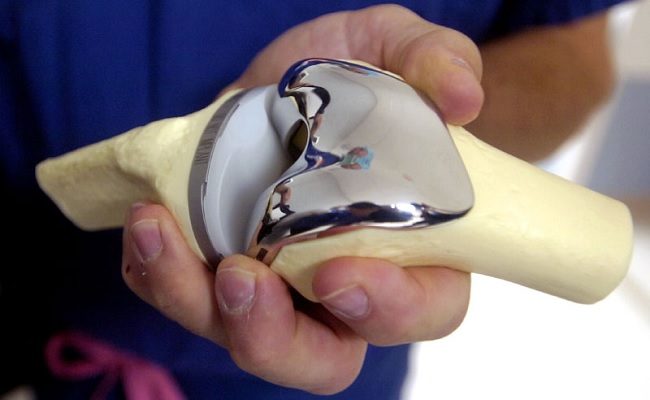
A knee prosthesis is an implant that is placed to replace the damaged joint in order to perform its function and allow the patient to regain mobility in the affected area.

The artificial knee is designed to comply with all the characteristics of the native knee, it only differs in that it lacks sensitivity, therefore, the pain caused by joint wear does not exist, explains the orthopaedic in Delhi.

Types of knee replacement

Depending on the severity of the injuries that the patient presents, the orthopaedic doctor in Delhi assesses which type of prosthesis is the most appropriate.

There are two main types of prostheses: on the one hand, the unicompartmental prosthesis, in this case only the damaged areas of the joint are replaced, however, in cases of osteoarthritis, it does not prevent the disease from spreading through the joint.

Second, there are total knee replacements. These are more common and are characterized by the total replacement of the joint.

How is the knee replacement operation?

In the knee replacement surgery in Delhi, the patella is removed, and the distal ends of the femur and tibia are cut to fit the prosthesis to the joint space. Afterwards, the two components of the prosthesis are fixed to the bone, through a foundation technique. Finally, the muscles and tendons of the damaged joint are repaired, and the incision is closed.

The operation usually lasts between an hour and a half and two hours. An incision of about 20 centimeters is made, which reduces the patient’s bleeding and improves healing. The anesthesia used is usually spinal, that is, from the waist down, although in cases of osteoarthritis or coagulation problems, general anesthesia is applied, explains the orthopaedic surgeon in Delhi.

When to put a knee replacement?

Usually, the knee replacement in Delhi is implanted when the patient has tried other treatments and they have not been successful.

The most common cause for needing a prosthesis is osteoarthritis, since joint wear and tear causes pain that, in many cases, can be relieved with a prosthesis.

Also, a prosthesis may be needed when one after a bone break, the joint has not re-established properly. In cases of bone tumors, a knee replacement can also be used to replace the damaged bone.

How long does a knee replacement last?

Knee prostheses do not have an exact duration in time. They suffer slight wear over time, this is due to a reason: when a prosthesis is implanted, a sliding material must be included, on which friction is made during the movement of the joint. The material used is polyethylene which, thanks to its properties, mimics cartilage.

Polyethylene suffers wear, since it releases particles, which are absorbed by the defensive cells of the human body. These cells grow and, in some cases, attack the bone, causing a “particle disease”, that is, the loosening of the prosthesis.

In recent years, the quality of the materials has improved significantly, with which, we could say that knee prostheses could last up to 30 years.

Benefits of a knee replacement

The most common is that before undergoing a knee replacement in Delhi, the patient has undergone other treatments without obtaining results.

After the application of the prosthesis, the pain usually disappears in its entirety, or becomes a mild discomfort. Depending on the condition that occurs before the operation, the patient usually regain mobility significantly, and therefore improves their quality of life, since they can return to their day-to-day activities without experiencing pain.

How is the recovery after a knee replacement operation?

Recovery after the knee replacement surgery in Delhi usually requires a hospital stay of between three and five days. The patient begins to walk two days after the operation, helped by crutches and the distances are increasing.

Depending on the stiffness of the joint and the patient’s previous condition, the duration may be more or less long. In the case of knee prostheses, rehabilitation is of great importance, which begins a few days after the operation, with the use of machines that make it possible to increase the degrees of flexion and extension of the knee, progressively.

Complications after the implantation of a knee prosthesis

After the knee replacement in Dwarka, only 2% of patients present complications, the most common being related to the appearance of infections that, in some cases, require surgical treatment.

In addition, there are other factors that are directly related to the prosthesis: the loosening of the prosthesis, which can cause pain and, in some cases, a replacement of the prosthesis may be necessary.

As explained above, the prosthesis develops a slight wear over time. In some cases, it can lead to loosening of the prosthesis. A breakage of the prosthesis can also occur, although in very isolated cases.

Some patients may experience an injury to the nerves near the joint, in cases in which the deformity that is corrected is significant, but is not common, says the orthopaedic in Delhi.

Knee replacement infection

As mentioned, the most common complications are usually the appearance of infections. These usually appear in people with obesity or diabetes.

Prosthetic infection occurs when bacteria reach the surface of the knee replacement. If the patient’s immune system is not able to eliminate it, the bacteria can create a “biofilm”, that is, a protective environment that protects them from the immune system and antibiotics. Depending on the aggressiveness of the microorganisms, the infection will be more or less serious.

The most common types of prosthetic knee infection are:

  • Acute infection: it is caused by aggressive bacterial contamination in the operating room, and usually occurs within four weeks after the intervention.
  • Chronic infection: in this case, the infection, too, is contracted in the operating room, but it can manifest itself from the fifth week after the operation to one or two years later.
  • Hematogenous infection: the infection is carried, through the blood, from another part of the human body to the knee replacement.
  • Positive intraoperative cultures: detected when removing the prosthesis due to loosening.

When a knee prosthesis infection appears, it is usually approached with antibiotic treatment, but it is usual, that a surgical intervention is necessary, in which the infection is cleaned, and the infection is approached from within. In some cases, a replacement of the prosthesis is necessary, says the orthopaedic surgeon in Delhi.

Replacement of knee replacement

In some cases, replacement surgery for a knee replacement is necessary. Typically, this decision is made in the face of ongoing and limiting pain.

First, an X-ray of the patient is performed and, in case of observing the presence of radiolucencies, that is, lack of contact between the bone and the prosthesis, the intervention is carried out. In these cases, if the prosthesis is not changed, there may be a risk of a periprosthetic fracture, that is, a break in the bone that supports the prosthesis. Another cause is the appearance of an infection.

Normally, prosthesis replacement surgeries are performed using the anterior approach technique, in which the scar from the previous operation is intervened, explains the orthopaedic in Janakpuri.

Tips for caring for a knee replacement

Once the knee replacement surgery in Delhi has been carried out, it is important to take certain aspects into account, to keep the knee replacement in good condition.

In the first place, it is important to care for the wound after the operation, it must heal in the way the specialist indicates.

When you return to your normal routine, it is important to avoid impact sports, as they put pressure on the prosthesis and can cause overloading of the joint. Body weight should be controlled, as the greater the weight, the more pressure will be placed on the knee joint. Also, sudden movements with the intervened knee should be limited, it is advisable to avoid movements and positions that involve forced positions for the joint, suggests the orthopaedic in Delhi.

Throughout the post, it has been possible to observe how a knee prosthesis can be the solution to the existence of chronic pain or advanced osteoarthritis. It is important to follow certain guidelines after a knee replacement in Delhi to ensure a good recovery and a longer duration in time.

10 Common Orthopedic Problems and Their Warning Signs

Our bones, joints, muscles, and ligaments support almost everything we do, from walking and climbing stairs to exercising and simply getting...