Saturday, 7 September 2019

INJURIES AND DISEASES OF THE HIP

Hip Pain

Introduction

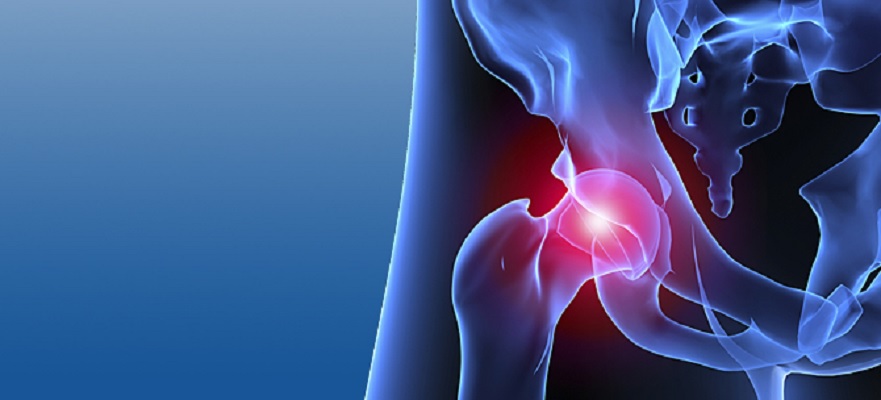
The hip or coxofemoral joint relates the coxal bone (pelvis) to the femur (thigh), thus joining the trunk with the lower limb. Hips are ball joints is classified as ball and socket of diartrosis type, characterized in that the two articular surfaces involved are spherical or nearly spherical, one concave and one convex, allowing great mobility.

When they are healthy, it takes a lot of strength to hurt them. However, sometimes sports, running, excessive use or falls can lead to hip injuries. These injuries include:
  • Strains
  • Bursitis
  • Dislocations
  • Fractures
Some diseases can also lead to injuries or problems with the hips. Osteoarthritis can cause pain and limit movements. Osteoporosis in the hip causes the bones to weaken and break easily. Both pictures are common in the elderly.

Treatment of hip problems may include rest, medicine, physiotherapy or surgery, including hip replacement in Delhi.


Hip Bursitis

Synovial bags are gelatinous sacs that are found throughout the body, including around the shoulder, elbow, hip, knee and heel. These bags contain a small amount of fluid, and are located between the bones and soft tissues, acting as pads or cushions to help reduce friction.

Bursitis is the inflammation of the synovial bag. There are two major bags in the hip that typically suffer from irritation and inflammation. A bag covers the bony bump of the hip bone, called the greater trochanter. The inflammation of this bag is called trochanteric bursitis.

Another bag, the psoas-iliac bag, is located on the inside (side of the groin) of the hip. When this bag becomes inflamed, the condition is also called hip bursitis, but the pain is located in the groin area. This condition is not as common as trochanteric bursitis, but it is treated similarly.

Symptom

Pain at the point of the hip and usually extends to the outside of the thigh area. In the early stages, pain is usually described as stabbing and intense. Later, the pain can become more of a neuralgia and spreads into a larger area of ​​the hip. You may notice more when getting up from a chair or bed, when sitting for a long time and sleeping on the affected side.

Usually, acute bursitis arises within hours or days. Chronic bursitis can last from a few days to several weeks, and may disappear and reappear again. Acute bursitis can become chronic if it reappears or if a hip injury occurs.

Over time, the bag may become thick, which can make swelling worse. This can cause limited movement and cause the muscles to weaken (called atrophy) in the area.

Causes and Risk Factors

Several factors can cause hip bursitis, including the following:
  • Repeated excessive use or hip stress.
  • Rheumatoid arthritis.
  • Hip injury
  • Infection with bacteria, such as Staphylococcus aureus (or a staph infection).
  • Spinal problems, such as scoliosis.
  • Irregular leg length.
  • Bone spurs (bone growths above the normal bone) in the hip.

Diagnosis and tests

Orthopaedic in Delhi will examine you and ask about your symptoms. Sometimes, certain tests may be needed to rule out other conditions that may cause similar symptoms. These tests may include x-rays and magnetic resonance imaging (MRI).

Treatment

Usually, treatment for bursitis involves having the joint at rest as much as possible. Non-steroidal anti-inflammatory drugs (NSAIDs), such as ibuprofen (brands: Advil, Motrin) or naproxen (brand: Aleve) can be used to relieve pain and swelling. You may also want to use an ice pack on the area to reduce swelling. During this time, be sure to avoid activities that may make the symptoms worse.

Orthopaedic in Janakpuri may recommend exercising the area once your pain subsides. This helps prevent muscle atrophy. Ask your orthopaedic in Tilak Nagar about the exercises to help you strengthen the area. If bursitis affects your ability to function normally, you may need physical therapy to help you move again. This is especially true for people who have chronic bursitis.

If these treatments do not help, you may need to remove fluid from the bag or receive corticosteroid injections to reduce pain and swelling. Usually, corticosteroid injections are very effective in treating bursitis. You may need another injection after a few months.

Surgery is rarely needed to treat bursitis. It is only used when all other treatments fail. For people who need surgery, this is a simple procedure. The orthopaedic surgeon in Delhi removes the hip bag. The hip can function normally without the bag. Usually, the surgery does not require a long hospital stay and the recovery period is short.

Prevention

You can prevent bursitis by avoiding too much effort with your hips. Avoid activities that are particularly difficult or painful, and take breaks for the hips to rest. When exercising, remember to preheat the muscles and then stretch to prevent injuries. If you are overweight, losing weight can help reduce pressure on your joints, including your hips.

Strengthening your hips with an approved physical activity routine can greatly reduce your chances of developing bursitis. Ask your orthopaedic in Najafgarh what types of exercises are best for you.

Questions to ask your doctor
  • What could have caused my symptoms?
  • What is the best treatment option for me?
  • How long will it take until I can wait for my symptoms to get better?
  • Is it possible for my symptoms to return?
  • Is it safe for me to exercise? What type of exercise should I do?

Monday, 26 August 2019

ORTHOPAEDIC SURGEON AND TYPES OF ORTHOPAEDIC TREATMENTS

orthopaedics

Orthopaedics is the medical specialty that focuses on diseases and injuries of the musculoskeletal system in the human body. This complex system includes joints, bones, tendons, ligaments, muscles and nerves that allow one to move, work and be active.

An orthopaedic surgeon in Delhi treats patients of all ages, from new-borns with club foot to young athletes who require arthroscopy in Delhi and older people with arthritis. Most of us would have contacted him in case of an injury due to a bad fall or a car accident or an accidental torsion of one of our limbs, which would cause sprains or muscle tears.

Your orthopaedic surgeon

Orthopaedic surgeon in West Delhi treats musculoskeletal system problems. This involves:
  • Diagnosis of your disorder or injury.
  • Treatment with exercise, casting, medication, surgery or other options. Surgery performed by an orthopaedic surgeon in Dwarka with special tools and instruments.
  • Rehabilitation recommending physiotherapy in Dwarka or exercises to restore movement, function and strength.
  • Prevention with treatment plans and information to prevent injuries or delay the progression of a disease.
While orthopaedic in Delhi is familiar with all the characteristics of the musculoskeletal system, several orthopaedists specialize in certain areas, such as the foot and ankle, shoulder, spine, hip, hand, or knee. They can also choose to focus on specific fields such as trauma, paediatrics or sports medicine. Some orthopaedic in West Delhi may specialize in many areas.

Visit and medical treatment

Your orthopaedic surgeon in Delhi will take a history of your illness or injury and perform a physical exam. This can be followed by diagnostic studies, such as blood or X-ray tests or CT scans / MRI.

Depending on the diagnosis, the orthopaedic in Najafgarh develops the best treatment plan so that he can lead a functional and active life.

Non-surgical treatment

Orthopaedic in Janakpuri treats various musculoskeletal conditions without surgery using exercises, medications and other rehabilitation or alternative therapies.

For most orthopaedic injuries and diseases, there is more than one form of treatment. The orthopaedic in Tilak Nagar may recommend the option of surgical treatment in cases where non-surgical options do not help.

Surgical treatment

Orthopaedic surgeons perform various types of surgeries. The common procedures are:
  • Arthroscopy: A procedure that uses special cameras and orthopaedic equipment to visualize, diagnose and treat problems within a joint.
  • Fusion: A "welding" process by which bones are fused with internal devices (such as metal rods) and bone grafts to heal in a single solid bone.
  • Internal fixation: A method to keep broken bone pieces in a suitable place with metal plates, pins or bone screws while the bone is healing.
  • Joint replacement surgery in Delhi (partial, total and revision): When a damaged or arthritic joint is removed and replaced by an artificial joint called a prosthesis.
  • Osteotomy: The correction of bone deformity by cutting and repositioning bone.
  • Soft tissue repair: Repair of soft tissues, such as torn ligaments or tendons.

Wednesday, 1 May 2019

Hip Replacement Improves Quality of Life

The Hip replacement surgery in Delhi is considered one of the most performed surgeries in India, mainly due to the increase in life expectancy.

When to have hip surgery? 3 Key Symptoms
The decision to enter the operating room is usually made when:
  • The pain is very intense.
  • The mobility is limited
  • The trouble prevents a normal life.
Quantitative data.
  • Throughout the year some 35,000 hip replacement in Delhi are performed. It is a growing number, not only because of the aging of the population (fractures, osteoarthritis) but also because of the tendency to place prostheses in younger and younger patients, thanks to good results.
  • The hip fracture data annually reaches 80,000 interventions in Indian patients.
  • Throughout the world, hundreds of thousands of hip arthroplasties are      performed annually.
  • Serious complications, such as hip joint infections, occur in approximately 10% of patients
  • "Between 50 and 65% of the elderly hip fracture operated recuperate the previous level of ambulation. Between 10 and 15% walk again, but only inside your home, and the remaining 20% ​​lose the ability to wander in and out of the home, " says orthopaedic in Delhi
  • 3 out of 4 patients live in their home before the operation.
  • 25% of patients after hospital discharge, decide to go for physiotherapy in Dwarka to improve their recovery, even to accelerate the improvement process.
Qualitative Data
• Elective surgery is not the same in patients with osteoarthritis than having to intervene urgently in the face of a fracture. In the first case, patients have time to prepare and prepare the environment, but not in the case of fractures.
• Thanks to the work of the geriatricians and social workers to care for these vulnerable patients who care for patients with fractures, morbidity, and mortality have been significantly reduced.
The success of the hip replacement in West Delhi does not end in the hospital. The subsequent recovery is fundamental.

3 diseases can end in Hip Operation
  • Osteoporosis, that is to say the decrease of the bone mass and deterioration of the microarchitecture of the bones, which supposes an increase in the fragility of the bones and the risk of suffering fractures.
  • Hip fracture generated by a fall.
  • Hip arthrosis caused by the wear of the tissue that covers the femur, pelvis, and bones that make up this joint.

When is hip surgery not recommended?
  • Patients with infections or a history of infection.
  • It does not have enough bone.
  • The bone is not strong enough to support a new hip.
  • He currently has nerve injuries in the hip area.
  • The hip is very unstable.
  • The bones are not fully mature or developed.
  • The patient suffers from diseases such as osteoporosis, rheumatoid arthritis and active skin lesions that can lead to infection.
  • You have damaged or non-functional muscles in your hip.
  • If the hip joint has been previously operated and is stable, functional and painless, it is not advisable to intervene again.
The data of hip fractures reach approximately 300,000 interventions in Indian patients annually

After the Operation, it is very important to know that ...
  • Clean and care for the wound to prevent further infections.
  • Avoid falls and dislocations.
  • If the patient passes his postoperative period at home, it is essential to review the rooms and reorganize the spaces during that recovery period.
  • Adapt a firm, comfortable and high seat that allows the knees to be slightly lower than the hips.
  • The success of the hip operation does not end in the hospital. The subsequent recovery is fundamental.
How much is the Recovery Time?

It is considered an operation with major surgery, therefore, after the hip replacement surgery in West Delhi, the patient is usually a week in the hospital. And once the wound is closing properly and the improvement the process is increasing, the recovery period can be several months.
It is true that from the moment the operation is performed by orthopaedic surgeon in Delhi, after a few days the patient begins to notice a marked improvement. 
The rehabilitation is essential for strengthening the entire area and regain mobility.

How long is a prosthesis?
Thanks to the latest technologies, it has gone from the average duration of 10 years to about 15 today.

Recommendations after a Hip Operation?
  • Avoid excess weight.
  • Strengthen the musculature surrounding the prosthesis.
Caring for the prosthesis avoiding abrupt exercises and unnecessary exercises.

Sunday, 21 April 2019

Partial Knee Replacement

partial knee replacement

Partial knee replacement in Delhi is an alternative to total knee replacement for some patients with osteoarthritis of the knee when the damage is limited to a particular compartment of the knee. In the past, partial knee replacement was reserved for elderly patients who were involved in few activities, but with implants and improved surgical techniques, more patients are now being considered for partial knee replacement compared to a few years ago. About 5% to 6% of patients with arthritic knees are considered eligible for partial knee replacement, says best knee surgeon in Delhi.

How common is knee osteoarthritis?

It is estimated that up to 30% of the population has knee osteoarthritis. Until age 50, knee osteoarthritis is equally common in men and women. After 50, more women are affected, says orthopaedic in Delhi.

What is osteoarthritis?

Osteoarthritis is the breakdown of connective tissue called articular cartilage within the joint. Articular cartilage prevents rubbing between one bone against another. The cartilage acts as a shock absorber of the impacts on the joint and allows stable and smooth movements within the joint. When the cartilage becomes thinner, the joint may become inflamed and you may feel pain and stiffness in the joint and your range of motion may be limited, says orthopaedic in Najafgarh.

What is a partial knee replacement?

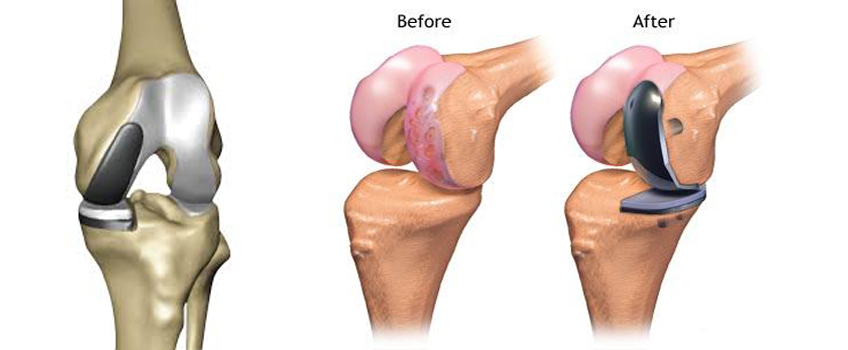
In partial knee replacement in west Delhi, only the damaged part of the knee cartilage is replaced by a prosthesis.

What are the advantages of partial knee replacement over total knee replacement?

Compared with total knee replacement, partial knee replacement preserves better range of motion and function of the knee because it preserves healthy bones and tissues in the knee. For these reasons, patients tend to be more satisfied with partial knee replacement compared to total knee replacement, and they are still candidates for a total knee replacement if they need it in the future. There is also less blood loss during surgery, and the movement of the knee recovers faster with partial knee replacement, says orthopaedic in Tilak Nagar.

Who is a candidate for partial knee replacement?

Patients with medial, lateral, or patellofemoral knee osteoarthritis may be considered for partial knee replacement. "Medial" refers to the internal compartment of the joint, which is the compartment closest to the opposite knee, while "lateral" refers to the outer compartment furthest from the opposite knee. Medial knee osteoarthritis is commonly caused by damage to the cartilages of the knee, known as the meniscus.

Patellofemoral osteoarthritis is osteoarthritis of the joint between the kneecap (patella) and the lower leg bone (femur). This type of knee osteoarthritis is more common than osteoarthritis of the lateral compartment of the knee.

If your knee pain persists despite anti-inflammatory medications and maintaining a healthy weight, you may want to consider a knee replacement, says orthopaedic in Vikaspuri.

Your doctor will ask you to identify the area of ​​pain in your knee, then examine your range of motion and stability of the knee. An X-ray examination of the knee will determine your eligibility for partial knee replacement but the surgeon will not know for sure if you are a good candidate until the surgery has begun. To be a candidate, you must have the anterior cruciate ligament intact, a sufficient range of motion of the knee, limited inflammation, minimal pain at rest, damage to one compartment only, and no calcification of the cartilage or dislocation of the knee.

In the past, partial knee replacement was considered only in patients older than 60 years who were sedentary but lately, more active patients are progressively being considered.

How is the recovery?

You can start moving the knee the day after joint replacement surgery in Delhi. The function of your knee should return quickly and with less pain than with total knee replacement. You will work with a physical therapist to mobilize the knee while you are in the hospital and for 2 to 4 weeks after discharge, which usually occurs in no more than 1 or 2 days after surgery.

You will need medications to prevent the formation of blood clots while you are in the hospital and possibly for a period of time after you are discharged.

If all goes well, you should return to a full activity in about 1 month. Impact or jogging / running exercises may not be recommended because the replacement includes a support surface that can be damaged.

What are the risks?

An infection at the surgery site is possible. Blood clots are a risk, as are injuries to blood vessels or nerves. These complications are quite rare. You may experience some stiffness in the knee joint.
Late complications include infections and failure, detachment, or dislocation of the prosthesis as well as continuous pain.

Wednesday, 17 April 2019

What is total knee replacement?

total_knee_replacement

The knee replacement surgery (arthroscopy in Delhi) or total knee prosthesis is an operation consisting of the replacement of a damaged, worn or diseased knee with an artificial joint (prosthesis).

Adults of any age can be considered for a knee replacement in Delhi, although most are performed on people between the ages of 60 and 80.

A knee replacement usually lasts more than 20 years, especially if the new knee is used correctly and is not subjected to too much stress.

Causes of total knee replacement

The most common cause of chronic knee pain and disability is arthritis.
Although there are many types of arthritis, most knee pain is caused by only three types:
  • Osteoarthritis
  • Rheumatoid arthritis
  • Post-traumatic arthritis
Osteoarthritis

It usually occurs in people 50 years of age and older, but it can occur in younger people.

The cartilage that cushions the bones of the knee softens and wears out.

The bones rub against each other, causing pain and stiffness of the knee.

Rheumatoid arthritis

This is a disease in which the synovial membrane that surrounds the joint becomes inflamed and swollen.

This chronic inflammation can damage the cartilage and eventually cause the loss of cartilage, causing pain and stiffness.

Rheumatoid arthritis is the most common form of a group of disorders called "inflammatory arthritis."

Post-traumatic arthritis

This type of knee arthritis can result from a serious knee injury.

Fractures of the bones that surround the knee or ruptures of the knee ligaments can damage the articular cartilage over time, causing pain in the knee and limiting the functioning of the knee.

Complications of total knee replacement

As with any surgery, joint replacement surgery in Delhi carries risks and complications may occur
For knee replacement surgery, these risks are low. Possible complications include:

Infection

The infection may occur at the site of the wound or around the prosthesis. It can happen while you are in the hospital or after you go home. They can even occur several years after the surgery.

Minor infections in the wound area are usually treated with antibiotics.

Major or deep infections may require another surgery to remove the prosthesis.

Any infection in your body can spread to the area of ​​the joint that has been replaced.

Blood clots

Blood clots in the veins of the legs are one of the most common complications of knee replacement in Dwarka. These clots can be life-threatening if they break down and travel to the lungs.

Preventive measures may include:
  • Periodic elevation of the legs
  • Exercises to increase circulation in the leg
  • Support stockings
  • Medications to thin the blood.
Problems with the implant

Although implant designs and materials, as well as surgical techniques, continue to advance, the surfaces of the implant may wear out and the components may loosen.

Movement of the knee may be more limited, particularly in patients with limited mobility before surgery.

The risk of failure of the prosthesis is greater if the joint is endeavored with activities of high impact or excessive weight.

Continuous pain

A small number of patients continue to have pain after a knee replacement in West Delhi. This complication is uncommon, since the vast majority of patients experience pain relief after knee replacement.

Injury of the nerves and blood vessels

Although uncommon, injuries to nerves or blood vessels around the knee can occur during surgery.

Other complications:
  • Allergic reaction to anesthesia
  • Temporary or permanent numbness around the wound site
  • The amputation of the leg due to a serious wound infection of the surgery.
  • Paralysis of the foot due to nerve damage
  • Lack of blood supply to the leg due to damage to the blood vessels (which can lead to amputation).
Signs of infection

Although the risk of infection is low, notify your orthopaedic in Delhi immediately if you notice:
  • Fever higher than 37.8 C
  • Shaking chills
  • Secretions in the area of ​​surgery
  • Increased redness, swelling and pain in the knee
  • An infected knee replacement usually requires surgery to remove artificial parts and antibiotics to kill the bacteria.
After the infection is controlled, another surgery must be done to install a new knee.

The chances of a good or excellent result that reduces pain and improves knee function tend to decrease with each additional surgery

How is a total knee prosthesis placed?

With the patient under anesthesia, the orthopaedic surgeon in Delhi replaces the damaged joint with an artificial prosthesis.

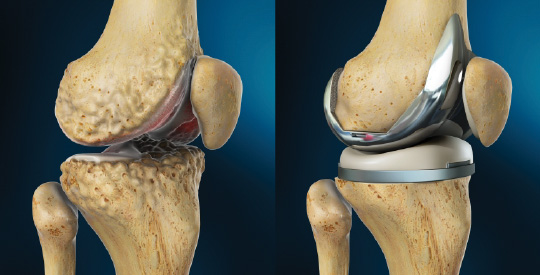
In the knee, the bony ends of the femur and the tibia are replaced by prosthetic components that articulate with each other and with the kneecap, which in most cases is also replaced.

A prosthesis can be implanted in other joints although the most common surgeries are those of the knee and hip.

The materials used in total prostheses are designed to allow mobility similar to that of the normal joint.

The components of the prosthesis are usually composed of a metal element that fits exactly in a plastic.

Various metals are used: stainless steel, cobalt alloys, chromium and titanium.

The plastic is an extremely durable and wear-resistant polyethylene.

A type of cement is usually used to fix the components to the bone, although there are also uncemented prostheses, which are anchored directly to the bone.

Types of knee replacement surgery

There are two main types of surgery, depending on the condition of the knee:

Total knee replacement - both sides of the knee joint are replaced

Partial knee replacement - only one side of the joint is replaced in a smaller operation with a shorter hospital stay and recovery period.

How long does a knee replacement last?

Improvements in surgical techniques, technology and materials have made knee replacement surgery one of the most successful procedures done by orthopaedic in Dwarka.

Most people experience less pain, increased movement and a better quality of life.

However, implants do not last forever. It is expected that implants should work for a minimum of 15 to 20 years in 85-90% of patients.

Over time, the wear loosens the implants and these can cause pain, have loose particles, cause infection and instability.

Once this happens, orthopaedic in West Delhi recommend undergoing revision knee surgery.

Recovery from knee replacement surgery

Usually, you will be in the hospital for three to five days, but the recovery time may vary depending on the person and the type of surgery that is performed.

Once you are able to be discharged, your hospital will give you advice about taking care of your knee at home.

You will have to use a walking frame or crutches at first and a physiotherapist in Dwarka will teach you exercises to help strengthen your knee.

Most people can stop using help to walk around six weeks after surgery and start driving after approximately eight to 12 weeks.

Full recovery can take up to two years.

A very small amount of people will continue to experience some pain after two years.

Friday, 1 March 2019

Knee Replacement Clinic in Delhi

Knee

The specialized kneeling services offered by orthopaedic in Delhi is a comprehensive approach to the care and management of knee injuries and diseases. Orthopaedic in West Delhi uses many of the new techniques and technologies in this field. The team of specialists offers cutting-edge experience in the evaluation and treatment of a wide range of diseases and injuries that can occur at any stage of life and that affect both adolescents and the elderly. Our service is among the most experienced in Delhi.

The services include the following:
  • Evaluation of diseases and injuries of the knees.
  • Conservative treatments to preserve or correct the knee in order to relieve pain and restore mobility, including injection therapy.
  • Minimally invasive procedures, arthroscopy in Delhi.
  • Latest techniques in sports injury surgeries, including the reconstruction of the ligament complex.
  • Advanced care of the knee fracture.
  • Knee replacement surgery in Delhi, including complex revision surgery.
  • Rehabilitation, advanced therapy.
Our program is unique in its kind in Delhi: it offers vast experience and treatment options available for the evaluation and management of knee problems. Our orthopaedic doctor in Dwarka experience-based care to treat knee problems in people of any age. Whether it's the professional athlete or the weekend warrior, the orthopaedic in Najafgarh can offer you the best knee care in Delhi.

Best knee surgeon in Delhi works with a team to devise a comprehensive and personalized treatment and rehabilitation plan for our patients. In addition to other doctors, the team has nurses, physiotherapists, occupational and recreational therapists and social workers.
  • The team of orthopaedic in Janakpuri provides comprehensive care, considering the individual needs of the patient and always for the benefit of the patient.
  • Our team of specialists is at the forefront of technology and minimally invasive surgery (including arthroscopic procedures for knee surgery). 
  • Orthopaedic in Palam pioneered many of the innovative techniques currently used, emphasizing patient safety and long-term mobility.
  • Thanks to its vast experience and research carried out, Orthopaedic in Tilak Nagar can offer alternatives to patients, including innovative ways to minimize the need for invasive procedures as well as prevent joint replacement.

Tuesday, 29 January 2019

Knee Joint Replacement Surgery (Arthroplasty)

Knee Replacement

IF YOU CONSIDER THAT THE PAIN AND THE DISABILITY OF YOUR KNEE ARE SO IMPORTANT TO ALTER YOUR QUALITY OF LIFE, you may opt for a knee replacement surgery by orthopaedic in Malviya Nagar.

This is a surgery that consists basically of replacing some or all of the damaged parts of the knee with synthetic elements commonly called PROTESIS.

Knee replacement in Delhi is an operation with a high percentage of success, decreases pain and improves the mobility of the joint.

Consequently, the goal of this joint replacement in Delhi is to relieve the pain caused by this disease and improve joint function, however as any surgical procedure is not exempt from risks such as fever, infection, loosening, neurovascular problems, which will be explained with more detail by your knee team doctor.

In addition, medication will be indicated to reduce the risk of thrombosis.

Pre-surgical Exam.

For a correct clinical assessment prior to surgery, a series of complementary studies (electrocardiogram, blood and urine tests, etc.) will be carried out by orthopaedic in Uttam Nagar.

ONCE YOU ARE IN CLINICAL CONDITIONS FOR SURGERY YOU SHOULD VISIT YOUR DOCTOR'S KNEE TO CONFIRM THE DATE YOUR SURGERY.

Preparing the Surgery.
  • Authorization of your prepaid or social work.
  • Procedures to obtain the requested Prosthesis.
  • Make a bed reservation.
  • You must sign an informed consent.
  • Post-operatory materials: walker, crutches, mediaantiembolica, etc.
  • If you are taking any medication you should notify your doctor a few days before surgery.
Surgery

Remember that the day before the operation, after midnight (24 hours), you should not eat or drink anything. This includes water.

On the day of surgery, you must present yourself at the Orthopaedics admissions office, with the studies referring to surgery (analysis, electrocardiogram, x-rays, magnetic resonance, etc.) where you will be informed which room has been assigned and where you will wait for your surgical shift.

Later he will be transferred to the operating rooms of this hospital where he will be received by an anaesthesiologist, who will decide the type of anaesthesia to perform.

After this, he will go to the operating room where the surgical procedure will be carried out.
At the end of it will be transferred to the aesthetic recovery room.

From there, he will be taken according to the clinical history to a room or intermediate therapy or coronary unit, where his family is waiting for him.

Here begins a fundamental stage: post-operative and rehabilitation.

Postoperative

Generally, the post-operative stay is approximately five days, where it will be evaluated by the doctors of the knee team, the first cures of the surgical wound will be made, and it will be visited by physiotherapists of the hospital's rehabilitation service to teach it the care and exercises that you should perform.

Hospital discharge

At the time of hospital discharge you must have the orthopaedic elements requested by your doctor.
Then clinical controls will be performed, with wound healing.

YOU MUST URGENTLY CONTACT THE HOSPITAL GUARD WITH THE FOLLOWING SYMPTOMS:
  • INTOLERANT PAIN in the operated limb that does not yield with rest, ice or anti-inflammatory medication.
  • FEVER GREATER THAN 38º C
  • SECRETION OF LIQUID AND / OR SOME TYPE OF MATERIAL BY THE WOUND
  • EDEMA (HINCHAZON) IMPORTANT IN YOUR LEGS
  • DIFFICULTY SUBITA TO BREATH, WITH IMPORTANT COURTS
  • IMPORTANT PAIN IN THE CHEST
IF YOU PRESENT ANY OTHER SYMPTOM NOT DESCRIBED ABOVE, OR YOU HAVE ANY DOUBT ABOUT MEDICATION AND / OR SURGERY, DO NOT HESITATE TO CONSULT YOUR DOCTOR.

Wednesday, 23 January 2019

6 Symptoms of Osteoporosis

osteoporosis

Symptoms of osteoporosis, such as bone pain or fractures, usually arise from 45 years of age, and are more common in women after menopause and in men after 65 years of age says orthopaedic in Delhi.

According to orthopaedic in green park, Osteoporosis is a disease characterized by decreased bone strength, increasing the risk of fractures, mainly in the vertebrae of the thigh bone and wrist, however, it can occur anywhere in the body.

In this way, some symptoms and signs of osteoporosis are: 
  1. Pain in the bones and joints;
  2. Bone fragility that increases the risk of fractures;
  3. Frequent fractures, mainly in the vertebrae of the spine and femur;
  4. Diminution of height 2 to 3 cms;
  5. Back pain, caused by a fractured or distorted vertebra;
  6. Stooping posture with drooping shoulders.
However, in order to diagnose the disease, it is necessary to perform a bone densitometry, which is a test to determine if the individual has bone loss.

Causes of Osteoporosis

According to orthopaedic in rk puram, the main cause of osteoporosis is the decrease in bone density that occurs during the natural aging process, and is more common in women after menopause. However, there are other causes such as: 
  • Smoking and alcoholism;
  • Frequent falls;
  • Little physical activity;
  • Low calcium diet;
  • BMI <19 Kg / m2;
  • Take medications such as corticosteroids.
Other diseases that can also cause osteoporosis are malnutrition, rheumatoid arthritis, multiple sclerosis, kidney failure and anorexia nervosa.

Treatment for Osteoporosis 

The treatment is done to avoid fractures and must be done throughout life, these are:
  • Use medications prescribed by the doctor. 
  • Take calcium-rich diets such as milk, cheese and yogurt daily. 
  • Avoid the consumption of alcohol and caffeine;
  • Avoid the cigarette;
  • Practicing physical activities such as walking or dancing, at least 3 times a week;
  • Ingest a calcium and vitamin D supplement daily, under the doctor's instructions.
In some cases, the orthopaedic in uttam nagar may indicate the use of hip protectors, since fractures in the hip and femur are common, accompanied by physiotherapy to strengthen the muscles and increase mobility. 

In addition to this, to avoid falls that can result in fractures due to the weakness of the bones, it is important to walk slowly, use closed shoes adapted to the foot and choose dirt or grass streets without gaps or unevenness. 

Risk factor's

Some risk factors that increase the likelihood of developing osteoporosis are:
  • Gender, because women are more likely to develop osteoporosis, due to the lack of sex hormones that occurs after menopause weakening bones;
  • Age, the older the age, the more risk there is to develop osteoporosis;
  • The race, the risk of developing this disease is greater in white people or being Asian descent;
  • Family history, individuals with family history of close relatives with osteoporosis increase the risk of suffering it;
  • Thyroid problems, the increase of thyroid hormones can cause bone loss;
  • Nutritional factors such as individuals with low calcium intake, eating disorders such as anorexia nervosa, or gastrointestinal surgeries such as gastric bypass.
So, to prevent this disease is important to perform regular physical activity such as running, walking, cycling, 3 times a week for 60 minutes. You can also do resistance exercises like lifting weights, for example. It is also important to maintain a balanced diet including foods rich in calcium and vitamin D, the latter being important so that calcium can be absorbed efficiently in the intestine. Diminish smoking, limit alcohol consumption are also ways to prevent osteoporosis, always implementing healthy lifestyle habits says orthopaedic in malviya nagar.

Saturday, 12 January 2019

Joint replacement surgery: What is it?


Joint replacement surgery is the surgical process in which a damaged biological joint is removed and a prosthesis is placed. This is expressed by orthopaedic in malviya nagar, orthopaedist specialist in joint replacement of knees and hips.

Orthopaedic in green park says that the most frequent joint replacement surgeries are those of the hip, where replacement is made for fracture and for clinical damage, and those on the knees, with replacement due to disease.

"Diseases such as osteoarthritis, which tends to wear both joints, are one of the main causes that lead to the need for this type of surgery, although others such as rheumatism, falcemia, the use of steroids or cortisone, asthma also influence it., kidney transplants, the deformations of childhood, the family tendency, automobile accidents and work, "says the orthopaedic in Delhi.

The specialist explains that an orthopaedic surgeon with sub-specialty in joint replacement is in charge of performing this surgery and adds that in the case of fractured people is an orthopaedic orthopaedist.

Who needs it?
Candidates for joint replacement surgery often have severe joint pain.
Three parameters that must be taken into account when performing a knee replacement: drastic pain that does not improve in any way with or without deformation, need a walker or walking stick and not have a good quality of life.

Effective surgery
Orthopaedist specialist in joint replacement in Delhi of knees and hips says that before it was believed that joint replacement surgery in Delhi were limited to seniors, 65 and older, but over time this has changed, because each year these are made to people who are younger and younger.

Benefits
Orthopaedic in Delhi explains that undergoing this type of surgery can help improve the movement and use of the joints, align the deformed and relieve pain.

Risks
Doctors agree that during and after the operation people may present a series of complications as in any other surgery: bleeding, infection, rejection of the material, pulmonary and venous thromboembolism, fat embolism, infarction, respiratory distress and, in the case of the prosthesis, fracture near it.

Avoid
A person of 45 years or more who has a prosthesis must have certain care, since having it changes his life. Apart from its multiple advantages it also requires a great responsibility.
For example, if the person has to do a lot of physical activity, if they live far away and in an inhospitable place, if they do not have a vehicle, walk a lot on foot or travel in motors, this person would not be the indicated one for a prosthesis, because it could fail , it would end up loosening and would cause the patient greater pain than the reason for the operation.

How to prepare before surgery?
Before undergoing a surgical procedure, it must be taken into account that the better you prepare, the more successful you can have surgery.

The specialists recommend:
  • If you smoke, stop smoking before the process.
  • Eat healthy.
  • If you have health problems (diabetes, hypertension ...), keep them under control.
  • Try to have an adequate weight.
  • Limit the use of alcoholic beverages.
  • Conduct previous studies with your doctors.

Vulnerable
Joint replacement surgeries are more practiced in women than in men. Of every five-people operated, four are women.

People with prostheses must have certain care, since having them changes their lives, in addition to their multiple advantages also requires a great responsibility.
This procedure has the purpose that people after having it improve their quality of life, that the pain disappears and that they have a good mobility.
This type of surgery can help improve the movement and use of the joints and relieve pain.

Saturday, 5 January 2019

Hip Replacement

It is a surgery to replace all or part of the hip joint with an artificial joint. The artificial joint is called a prosthesis.

Description

The hip joint is made up of 2 main parts. One or both parts can be replaced during hip replacement surgery in Delhi:
·         The hip socket (a part of the pelvic bone called the acetabulum)
·         The upper end of the femur (called the femoral head)

The new hip that will replace the old hip is made up of the following parts:
·         A cup, often made of strong metal.
·         A liner, which fits inside the cup or acetabulum. It is almost always plastic. Some orthopaedic in Delhi are now rehearsing with other materials such as ceramics or metal. The lining allows the hip to move easily.
·         A metal or ceramic sphere that will replace the round head (top) of the femur.
·         A metal shank that fits into the femur to hold the joint.
You will not feel any pain during surgery. You will have one of two types of anaesthesia:
·         General anaesthesia. This means that you will be asleep and will not feel pain.
·         Regional anaesthesia (spinal or epidural). The medicine is injected into the back to desensitize it from the waist down. You will also receive a medication to induce sleep. Likewise, you may receive a medication that will make you forget the procedure, although you will not be completely asleep.
After you receive the anaesthesia, the orthopaedic in South Delhi will make a surgical cut to open the hip joint. This incision is often made on the buttocks. Then, the surgeon:
·         It will cut and remove the head of the femur.
·         It will clean the acetabulum of the hip and remove the remaining cartilage and arthritic or damaged bone.
·         It will put the new acetabulum of the hip in place, a lining is put on the new acetabulum.
·         Insert the metal stem into the femur.
·         It will place the ball of correct size for the new joint.
·         It will secure all new parts in place, sometimes with a special cement.
·         It will repair the muscles and tendons around the new joint.
·         It will close the surgical incision.

This surgery takes approximately 1 to 3 hours.

Why the procedure is performed?

The most common reason to have this hip replacement in south Delhi is to relieve arthritis. Severe arthritis can limit your activities.

Most of the time, hip replacement is done in people 60 years of age and older. Many people who have had this surgery are younger. Young people who have had hip replacement may put additional stress on the artificial hip. That extra stress can cause it to wear out sooner than in older people. If this happens, all or part of the joint may have to be replaced again.

Your doctor may recommend a hip replacement surgery in south Delhi for these problems:
·         You cannot sleep a full night because of hip pain.
·         Your hip pain has not improved with other treatments.
·         Hip pain limits or prevents you from doing your normal activities, such as bathing, preparing meals, doing house activities and walking.
·         You have trouble walking that requires you to use a cane or walker.

Other reasons to hip replacement in Delhi are:
·         Fractures in the femur. Older people often have a hip replacement for this reason.
·         Tumours in the hip joint.

Before the procedure

Always tell your health care provider what medications you are taking before joint replacement surgery in Delhi, including medicines, supplements or herbs you bought without a prescription.

During the 2 weeks before your surgery:
·         Prepare your house.
·         You may be asked to stop taking medications that make it harder for your blood to clot. These include acetylsalicylic acid (aspirin), ibuprofen (Advil, Motrin), naproxen (Naprosyn, Aleve), blood thinners such as warfarin (Coumadin), and others.
·         You may have to stop taking medications that make you more likely to get infections. This includes methotrexate, Enbrel, and other medications that suppress your immune system.
·         Ask your provider what medications you should still take the day of your surgery.
·         If you have diabetes, heart disease or another medical condition, your surgeon will ask you to see the provider treating you for these conditions.
·         Tell your provider if you have been drinking too much alcohol, more than 1 or 2 drinks a day.
·         If you smoke, you need to stop. Ask your provider or nurse for help. Smoking will slow the wound and bone healing. It has been proven that smokers have negative results after surgery.
·         Always tell your provider about any cold, flu, fever, herpes outbreak or other illness you have before your surgery.
·         You may want to visit a physical therapist to learn how to do some exercises before surgery and practice using crutches or a walker.
·         Arrange your home to make daily tasks easier.

Practice using a cane, walker, crutches or wheelchair correctly:
·         Getting in and out of the shower
·         Going up and down stairs
·         Sitting on the toilet and standing after using it
·         Using the shower chair

On the day of your surgery:
·         They will usually ask you not to drink or eat anything for 6 to 12 hours before the procedure.
·         Take the medications your orthopaedic in Dwarka told you to take with a small sip of water.

Your provider will tell you when to get to the hospital for joint replacement in Delhi.

After the procedure

You will stay in the hospital for 1 to 3 days. During that time, you will recover from the anaesthesia and the surgery itself. You will be asked to start moving and walking as soon as the first day after surgery.

Some people need to stay briefly in a rehabilitation centre after they leave the hospital and before going home. In a rehabilitation centre, you will learn how to safely do your daily activities on your own. Home health services are also available.  

Expectations (prognosis)

The results of hip replacement surgery are often excellent. Most or all of the pain and stiffness should disappear.

Some people may have problems with infection, loosening and even dislocation of the new hip joint.
Over time, the artificial joint of the hip can be loosened. This can happen after more than 15 or 20 years. You may need a second replacement.


Young, more active people can spend parts of their new hip. It may have to be replaced before the artificial hip loosens.

10 Common Orthopedic Problems and Their Warning Signs

Our bones, joints, muscles, and ligaments support almost everything we do, from walking and climbing stairs to exercising and simply getting...